recipes / breakfast
Easy Camping Breakfast Ideas (No-Stove Options Included)
Seven practical camping breakfasts compared by cooler, heat, morning effort and cleanup, with a two-night group plan and safe make-ahead instructions.
For most camping mornings, the best breakfast is a bagel with nut or seed butter and a banana: no stove, no cooler for the shelf-stable ingredients, two minutes of work. If you have reliable cold holding, choose overnight oats for the easiest make-ahead breakfast. For a group, use a self-serve yogurt and granola bar. On the morning you break camp, choose the bagel again and protect your checkout time.
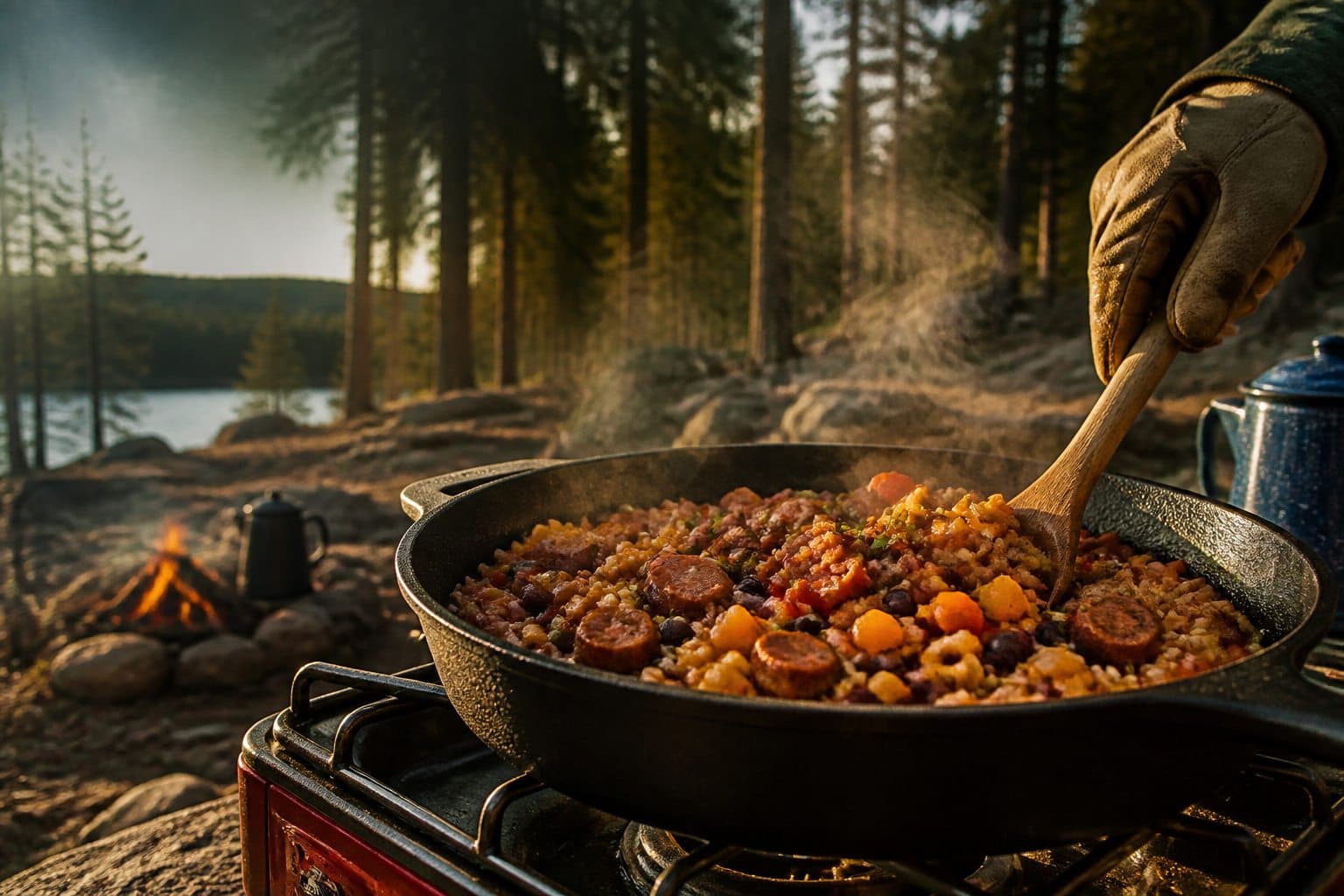
The hot option we would save for one unhurried morning is a make-ahead breakfast burrito. It gives you a real hot breakfast without turning the picnic table into a prep kitchen, but it only earns that recommendation when you can keep it cold and reheat its centre safely.
Breakfast is the meal camping schedules badly. It arrives when the air is cold, the stove is packed, somebody is looking for a missing sock, and the person who said they were not hungry is now extremely hungry. The solution is not a longer list of recipes. It is matching breakfast to the morning you will actually have.
Choose breakfast by the morning, not the photo
Bagel, nut butter and banana
- Cold holding
- No, if the spread is shelf-stable
- Heat
- None
- Morning work
- 2 min
- Cleanup
- Knife only
- Best fit
- Departure morning
- Allergy note
- Check bagel; use seed butter when appropriate
Bakery box plus nuts
- Cold holding
- No for shelf-stable choices
- Heat
- None
- Morning work
- None
- Cleanup
- None
- Best fit
- Emergency backup
- Allergy note
- Bakery labels vary; use seeds instead of nuts
Overnight oats
- Cold holding
- Yes, 4 C / 40 F or below
- Heat
- None
- Morning work
- Open and eat
- Cleanup
- Container and spoon
- Best fit
- Make-ahead mornings
- Allergy note
- Use verified oats and a suitable milk and spread
Yogurt, granola and fruit
- Cold holding
- Yes, 4 C / 40 F or below
- Heat
- None
- Morning work
- 3 min
- Cleanup
- Bowl and spoon
- Best fit
- Self-serve group
- Allergy note
- Plant yogurt is possible; check granola and toppings
Instant oatmeal
- Cold holding
- No with dry or shelf-stable additions
- Heat
- Hot water
- Morning work
- 5 min
- Cleanup
- Mug and spoon
- Best fit
- Lightweight trips
- Allergy note
- Check oats, powdered milk and seed mix labels
Make-ahead breakfast burrito
- Cold holding
- Yes, 4 C / 40 F or below
- Heat
- Pan or permitted appliance
- Morning work
- 8-15 min
- Cleanup
- Low
- Best fit
- Hot first breakfast
- Allergy note
- Contains egg; tortilla and dairy depend on choices
One-pan egg scramble
- Cold holding
- Yes for eggs and dairy
- Heat
- Stove or permitted appliance
- Morning work
- 10-15 min
- Cleanup
- Highest
- Best fit
- Slow morning
- Allergy note
- Contains egg; cheese is optional
| Breakfast | Cold holding | Heat | Morning work | Cleanup | Best fit | Allergy note |
|---|---|---|---|---|---|---|
| Bagel, nut butter and banana | No, if the spread is shelf-stable | None | 2 min | Knife only | Departure morning | Check bagel; use seed butter when appropriate |
| Bakery box plus nuts | No for shelf-stable choices | None | None | None | Emergency backup | Bakery labels vary; use seeds instead of nuts |
| Overnight oats | Yes, 4 C / 40 F or below | None | Open and eat | Container and spoon | Make-ahead mornings | Use verified oats and a suitable milk and spread |
| Yogurt, granola and fruit | Yes, 4 C / 40 F or below | None | 3 min | Bowl and spoon | Self-serve group | Plant yogurt is possible; check granola and toppings |
| Instant oatmeal | No with dry or shelf-stable additions | Hot water | 5 min | Mug and spoon | Lightweight trips | Check oats, powdered milk and seed mix labels |
| Make-ahead breakfast burrito | Yes, 4 C / 40 F or below | Pan or permitted appliance | 8-15 min | Low | Hot first breakfast | Contains egg; tortilla and dairy depend on choices |
| One-pan egg scramble | Yes for eggs and dairy | Stove or permitted appliance | 10-15 min | Highest | Slow morning | Contains egg; cheese is optional |
The table makes one distinction that many camping breakfast lists blur: no stove does not mean no cooler. Overnight oats, yogurt, cream cheese, egg muffins and cooked burritos remain perishable even when you eat them cold or prepared them at home.
Our short verdicts:
- No cooler and no heat: bagel, shelf-stable nut or seed butter and banana.
- Cooler but no heat: overnight oats or yogurt, granola and fruit.
- No cooler but hot water available: instant oatmeal with dry additions.
- Hot breakfast with little morning prep: a safely chilled make-ahead burrito, reheated fully.
- Group breakfast: cold self-serve food first; one optional hot item second.
- Departure morning: choose food that can be eaten while the tent is coming down.
The cold-holding rule before the recipes
Keep overnight oats made with milk or yogurt, chia pudding, yogurt, cream cheese, eggs, cooked burritos and other perishable food at 4 C / 40 F or below. Put an appliance thermometer in the food cooler; how cold the lid feels is not a measurement.
Health Canada identifies 4-60 C / 40-140 F as the temperature danger zone. Perishable food should not sit at room temperature for more than two hours, dropping to one hour during hot summer conditions. Do not use smell, appearance or a hopeful vote around the picnic table to decide whether questionable food is safe.
Pack breakfast food in the order you will use it, keep the cooler shaded and use a separate drinks cooler if possible. The drinks lid opens twelve times before breakfast. The food cooler should not have to participate in that social life.
1. Bagel, nut butter and banana
Best for: no-cooler trips and departure morning | Makes: 1 | Morning work: 2 minutes | Cleanup: knife only
Pack per person
- 1 bagel
- 2 tablespoons shelf-stable nut or seed butter
- 1 banana or apple
- Optional: 1 tablespoon honey in a leakproof container
At camp
- Split the bagel and spread it with nut or seed butter.
- Slice the fruit onto it or eat the fruit separately.
- Close the spread immediately and follow its label after opening.
This is our best overall recommendation because every ingredient can be chosen shelf-stable, it survives a crowded food box and it works while camp is being packed. Use sunflower-seed butter for a nut-free group only after checking every label and the needs of the people eating.
Skip it if a bagel and sweet spread will not sustain the activity ahead. Add a shelf-stable protein your group already eats, rather than assuming one breakfast fits a quiet campground morning and a long hike equally well.
2. The bakery-box backup
Best for: late arrival, rain and failed plans | Makes: 4 | Morning work: none | Cleanup: none
Pack for four
- 4 shelf-stable muffins, scones or breakfast bars
- 4 pieces of whole fruit
- 1 cup roasted nuts or seeds, portioned according to allergy needs
Put the whole breakfast in one labelled bag before leaving home. It is not the nutritionally perfect centrepiece of a wilderness documentary. It is the breakfast that still exists when the stove will not light and the carefully packed cooler is in the other vehicle.
Choose baked goods whose package does not require refrigeration. A cream-filled pastry is not transformed into shelf-stable food by calling it a camping breakfast.
3. Overnight oats that stay cold
Best for: a make-ahead first or second morning | Makes: 1 | Home prep: 5 minutes | Morning work: open and eat
Ingredients per jar
- 1/2 cup rolled oats
- 1/2 cup milk or fortified plant beverage
- 1/4 cup yogurt, optional
- 1 tablespoon chia seeds, optional
- 1 tablespoon nut or seed butter
- 1/4 cup berries or chopped fruit
- Pinch of cinnamon
Prepare and pack
- Mix everything in a clean leakproof container, leaving space to stir.
- Refrigerate immediately and let it hydrate overnight.
- Move it directly from the refrigerator to a cooler holding 4 C / 40 F or below.
- Keep it cold until breakfast and return any unused portion promptly.
If you cannot verify the cooler temperature, make instant oatmeal instead. The absence of cooking at camp does not remove the milk, yogurt or prepared food from the cold chain.
For less weight and no jar cleanup, pre-portion the same oats dry and add hot potable water at camp. That is a different method, covered below.
4. Yogurt, granola and fruit bar
Best for: families and groups waking at different times | Makes: 6 | Morning work: 5 minutes to set out
Pack for six
- 6 single-serve yogurts, or a large container kept reliably cold
- 3 cups granola
- 3 cups washed, ready-to-eat fruit
- 1 cup seeds or nuts, optional and separated for allergies
- 6 bowls or mugs and spoons
At camp
- Put only a small amount of yogurt and fruit on the table at a time.
- Keep the remaining perishable food in the cooler at 4 C / 40 F or below.
- Give each topping its own spoon to reduce allergen cross-contact.
- Return food to the cooler promptly; do not leave the full supply out for every possible wake-up time.
This solves a group problem better than a recipe problem: early risers can eat without waiting for the cook. The later group still gets breakfast instead of a warm container that has been sitting in the sun since dawn.
5. Instant oatmeal packs
Best for: lightweight trips and one-pot mornings | Makes: 1 | Morning work: about 5 minutes | Cleanup: mug and spoon
Build one dry pack at home
- 1/2 cup quick oats
- 2 tablespoons powdered milk or a dry alternative, optional
- 2 tablespoons raisins or other dried fruit
- 1 tablespoon seeds
- Pinch of cinnamon
- Sweetener to taste
At camp
- Put the dry mix in a heat-safe mug or bowl.
- Add about 3/4 cup hot potable or previously treated water, then stir.
- Cover and wait 3-5 minutes, adding a little more water if needed.
- Pack out the empty ingredient bag and any leftover food.
Follow the directions for your oats and powdered ingredients because brands vary. If you are heating water under a fire restriction, use a stove or appliance only when the current local order permits that device and fuel.
6. Make-ahead breakfast burritos
Best for: one planned hot breakfast | Makes: 6 | Home prep: about 30 minutes | Camp reheat: often 8-15 minutes, verified by temperature
Ingredients
- 8 large eggs
- 2 cups cooked diced potatoes
- 1 cup cooked vegetables
- 1 cup shredded cheese
- 6 large tortillas
- Optional cooked meat, prepared safely before assembly
Prepare at home
- Cook the eggs and other ingredients fully. Health Canada specifies 74 C / 165 F for egg dishes.
- Divide the filling among the tortillas and roll tightly.
- Cool the burritos promptly in shallow or separated portions, then refrigerate. Do not put a warm stack into the cooler and expect the centre to cool quickly.
- Wrap and label each burrito. Transport at 4 C / 40 F or below.
Reheat at camp
- Use a covered pan on a stable stove, grill or other appliance that the current local order permits. Foil can protect the exterior, but do not lay foil directly on an exposed burner or flame.
- Turn the burritos regularly so the outside does not burn while the middle stays cold.
- Check the centre of more than one burrito with a clean digital thermometer. Reheat leftovers to 74 C / 165 F throughout.
- Eat immediately and discard any reheated portion that is not eaten.
The clock is only a planning estimate; burrito thickness, starting temperature and heat source change it. The thermometer decides when breakfast is ready.
7. One-pan egg scramble
Best for: a slow morning when cooking is part of the plan | Makes: 4 | Morning work: 10-15 minutes | Cleanup: one pan, bowl and utensils
Ingredients
- 8 clean, uncracked refrigerated eggs in their carton
- 1 cup diced vegetables
- 1 tablespoon oil or butter
- 1/2 cup shredded cheese, optional
- Salt and pepper
At camp
- Keep eggs and dairy at 4 C / 40 F or below until cooking.
- Crack each egg only when you are ready to use it. Health Canada specifically advises against cracking shells in advance.
- Heat the oil in a stable pan on a locally permitted appliance. Cook the vegetables first.
- Add the eggs and cook while stirring.
- Verify the egg dish reaches 74 C / 165 F with a digital thermometer before serving.
- Wash hands, utensils and surfaces after contact with raw egg.
A refrigerated commercial pasteurized liquid egg product can be convenient when its label permits your transport and use plan; follow that label and keep it cold. We do not recommend pouring home-cracked shell eggs into a bottle for a Canada-and-US guide.
A two-night breakfast plan for six people
The easiest way to plan is to count people x mornings, then make each morning different enough that the cooler and stove are not both under pressure.
| When | Breakfast | Pack | Why it fits |
|---|---|---|---|
| Arrival backup | Bakery box | 6 baked items, 6 fruits, seeds or nuts as appropriate | Protects the trip if arrival runs late |
| Morning 1 | Make-ahead burritos | 6 burritos plus thermometer | The cooler is coldest and nobody is packing yet |
| Morning 2 | Bagels and fruit | 6 bagels, spread, 6 fruits | No stove or cooler access while breaking camp |
The bakery-box row is the one extra shelf-stable serving per person for the trip. Do not add a second reserve unless your route, group or emergency plan justifies it. The backup is for a failed stove, delayed hike or unexpectedly hungry camper, not a parallel menu.
For a group breakfast, one person manages the hot food and another manages cleanup. Everyone else can eat fruit or the cold option while they wait. Trying to make twelve custom pancakes from one small pan is less a breakfast plan than a queue-management exercise.
If you have no cooler
Build breakfast only from foods that are shelf-stable according to their labels before and after opening:
- bagels, tortillas or crackers;
- nut or seed butter;
- whole fruit;
- dry oatmeal packs;
- dried fruit and seeds;
- shelf-stable breakfast bars or baked goods;
- unopened shelf-stable milk in portions you can finish after opening.
Do not move yogurt, cream cheese, cooked egg dishes or overnight oats into the no-cooler column because the weather feels cool. If the food requires refrigeration, either maintain 4 C / 40 F or choose something else.
Our broader no-cook camping meals guide applies the same distinction to lunch and dinner.
Under a fire restriction
Check the current order from the campground or land manager. Do not infer that a gas stove, propane grill or charcoal is allowed simply because wood fires are prohibited.
The bagel, bakery box, overnight oats and yogurt bar need no heat. Instant oatmeal, burritos and scramble need an appliance that is explicitly permitted. If the order is unclear, choose a no-heat breakfast instead of treating breakfast as a legal interpretation exercise.
When water is part of breakfast or coffee, use potable or previously treated water. Brewing coffee is not automatically a water-treatment step. Our camping coffee guide separates brewing from treatment, while how to purify water while camping covers the verified methods.
What usually goes wrong
- The last morning has the biggest meal. Save the least equipment-dependent breakfast for checkout day.
- No-stove food is treated as no-cooler food. Preparation method and storage requirement are separate questions.
- The cooler has no thermometer. A measured 4 C / 40 F is a safety control; a handful of wet ice is not a temperature reading.
- A burrito is hot outside and cool inside. Reheat to 74 C / 165 F throughout and verify the centre.
- Eggs are cracked into a bottle at home. Keep clean, uncracked refrigerated eggs in their carton and crack them when used, or follow the label of a commercial pasteurized egg product.
- There is no backup. One shelf-stable breakfast can rescue a wet departure, a failed stove or a cooler problem.
- Coffee equipment is being learned before coffee. Test it at home. Morning is an unfair time to discover a missing filter.
For the rest of the menu, easy camping meals and make-ahead camping meals use the same low-morning-work logic. The weekend camping checklist helps count meals before shopping.
If you remember one rule
Choose breakfast backward from the morning.
If you are leaving early, choose the bagel. If the group wakes in shifts, choose self-serve yogurt and granola with controlled cold holding. If cooking together is part of the morning, make the scramble. The best camping breakfast is not the most impressive one; it is the one that leaves enough time and attention for the trip you came to have.
FAQ
What is the easiest breakfast to make while camping?+
For most trips, use a bagel with shelf-stable nut or seed butter and a banana. It needs no stove, can be chosen without refrigerated ingredients, takes about two minutes and works especially well on departure morning.
What camping breakfasts do not need a cooler?+
Choose foods that are shelf-stable according to their labels: bagels or tortillas, nut or seed butter, whole fruit, dry instant-oatmeal packs, dried fruit, seeds and suitable packaged baked goods. Yogurt, cream cheese, overnight oats made with milk and cooked egg dishes still require cold holding.
How do I keep make-ahead camping breakfast safe?+
Keep overnight oats, yogurt, eggs, cooked burritos and other perishable food at 4 C or 40 F or below. Cool cooked food promptly, use a cooler thermometer and reheat leftovers such as breakfast burritos to 74 C or 165 F throughout.
What is the best camping breakfast for a group?+
Use a cold self-serve breakfast such as yogurt, granola and fruit so people can eat as they wake. Put out small amounts while keeping the rest cold, separate allergen utensils and make any hot dish an optional second item rather than making everyone wait.
Can I crack eggs into a bottle before camping?+
We do not recommend that as a general Canada-and-US method. Health Canada says not to crack an egg until ready to use. Carry clean, uncracked refrigerated eggs protected in their carton, or use a commercial pasteurized liquid egg product according to its label, and keep it at 4 C or 40 F or below.
What can I eat for breakfast during a fire ban?+
Choose a no-heat breakfast such as bagels, a shelf-stable bakery box, safely chilled overnight oats or a yogurt and granola bar. Use a stove or other appliance only when the current local order explicitly permits that device and fuel.
Related reading
- Camping coffee methods compared - choose the drink setup before the first morning
- Family camping checklist - assign food and cleanup responsibilities
- Foil packet camping recipes - plan the first dinner with the same cold-chain discipline
- Car camping essentials - cooler, stove and kitchen packing decisions
Sources reviewed
Fact-checked Aug 31, 2026
These references support factual or safety-sensitive claims in this article. Access dates show when our editors last verified the source.
- Health Canada - Summer food safety tips
Official source · Accessed Aug 31, 2026
- Health Canada - Egg safety
Official source · Accessed Aug 31, 2026
- Health Canada - Food safety tips for leftovers
Official source · Accessed Aug 31, 2026
- USDA FSIS - Food Safety While Hiking, Camping & Boating
Official source · Accessed Aug 31, 2026
- Parks Canada - Cooking and fire restrictions
Official source · Accessed Aug 31, 2026