
Build the safety baseline
Start with the hazards, communication plan, weather checks, and core supplies every trip should account for.
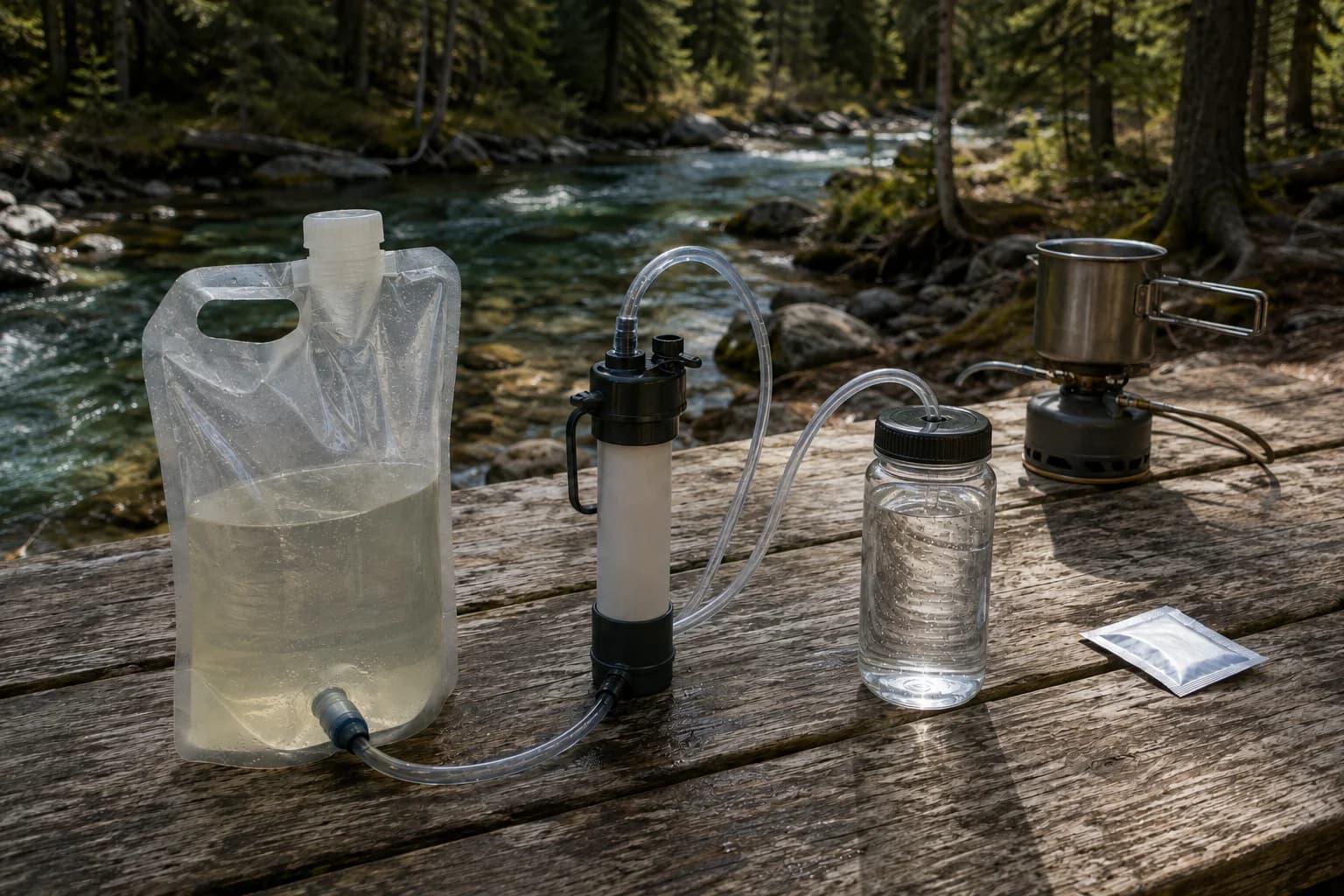
Open Camping Safety 101Prepare for navigation errors, storms, wildlife encounters, unsafe water, campfires, and other camping and hiking hazards.
Safety, by situation
Safety advice is most useful when it matches the situation. These guides explain what to check before leaving, which warning signs should change the plan, and when the safest next step is to stop and ask for help.
Conditions, closures, fire restrictions, wildlife rules, and emergency procedures vary by location. Confirm current instructions with the responsible park or land manager before the trip; during an emergency, follow local responders rather than a general article.
Start with the hazards, communication plan, weather checks, and core supplies every trip should account for.
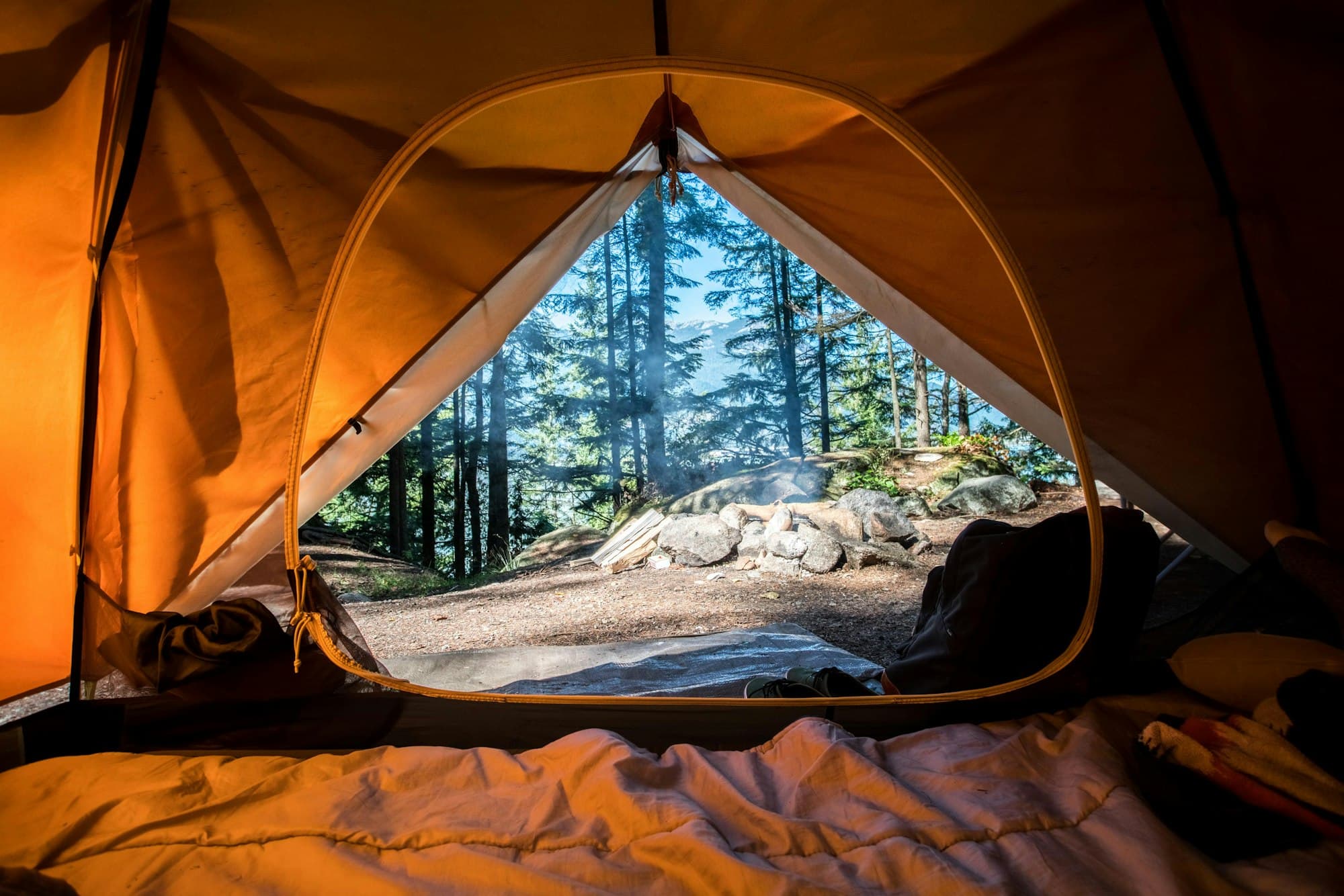
Open Camping Safety 101Use a calm sequence: stop, locate yourself, then decide whether to stay put or make one bounded retrace.
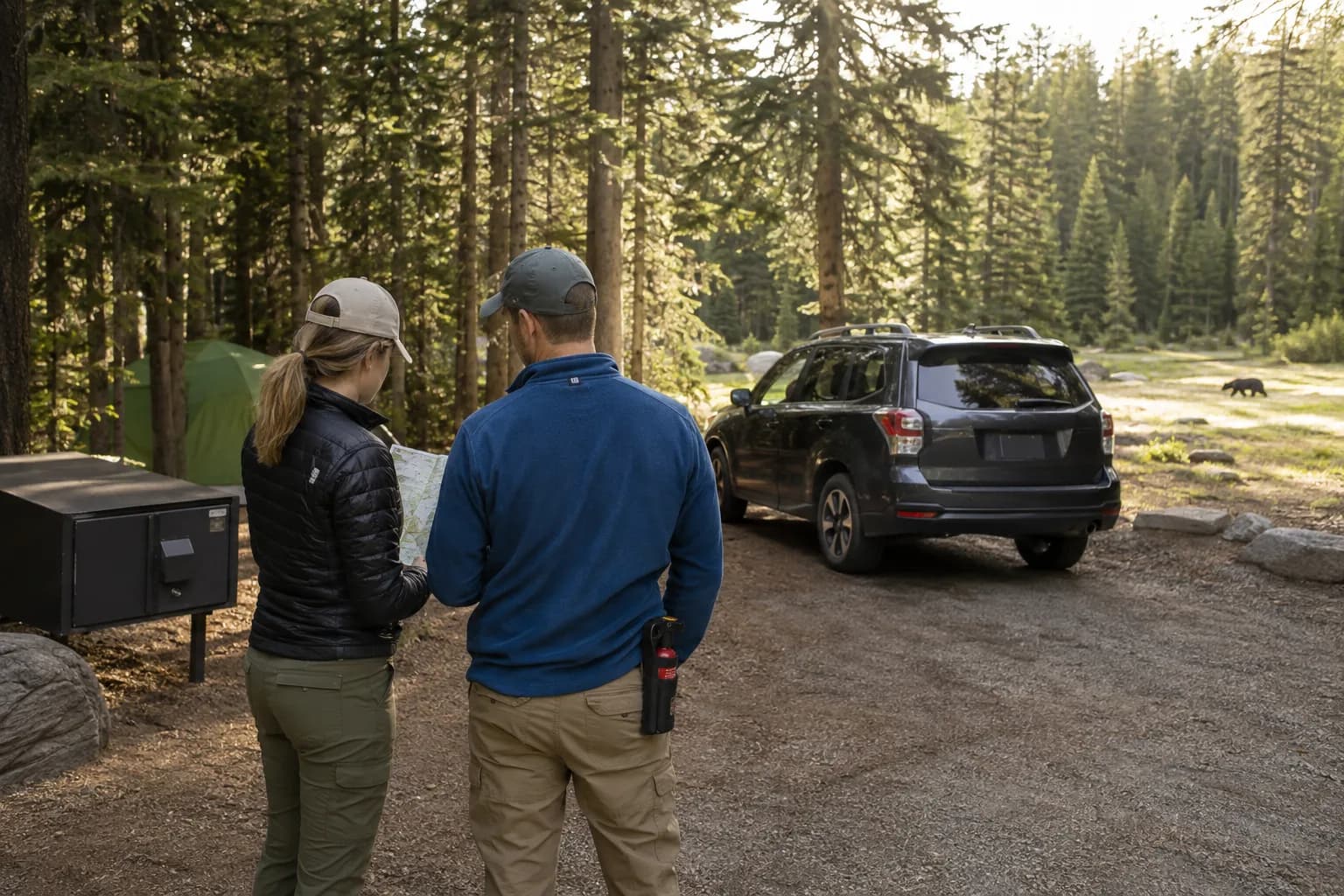
Use the lost-hiker guideBuild a local bear plan around official rules, food storage, distance, and the behaviour you actually observe.
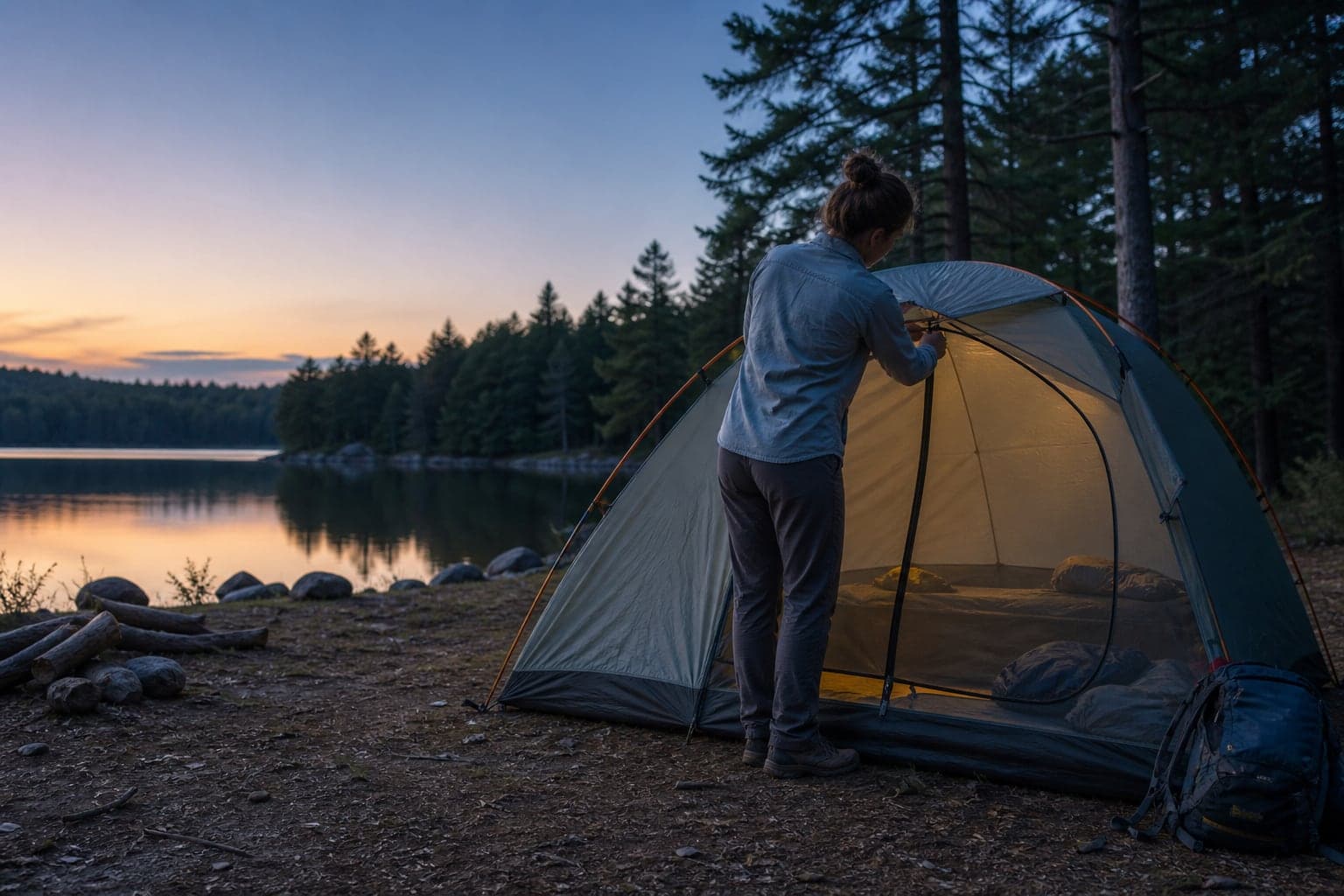
Review bear safetyKnow why a tent is not lightning protection and decide where to shelter before the weather reaches camp.
Plan for thunderstormsPark rules, closures, active alerts, and emergency responders take priority over general guidance.
We identify the signs that should end an activity, change the route, or trigger outside help.
We separate broadly useful planning from location-specific facts that need current verification.

guides
Sep 26, 2026 · 11 min read
guides
Aug 26, 2026 · 19 min read
guides
Aug 14, 2026 · 11 min read
guides
Aug 14, 2026 · 7 min read
guides
Aug 14, 2026 · 7 min read
guides
Aug 14, 2026 · 11 min read
guides
Aug 14, 2026 · 7 min read

guides
Aug 9, 2026 · 6 min read