guides / safety
How to Put Out a Campfire Completely
Put out a campfire with the drown, stir, drown and feel method. Use this field sequence for hidden embers, wet logs, charcoal and a fire that escapes the ring.
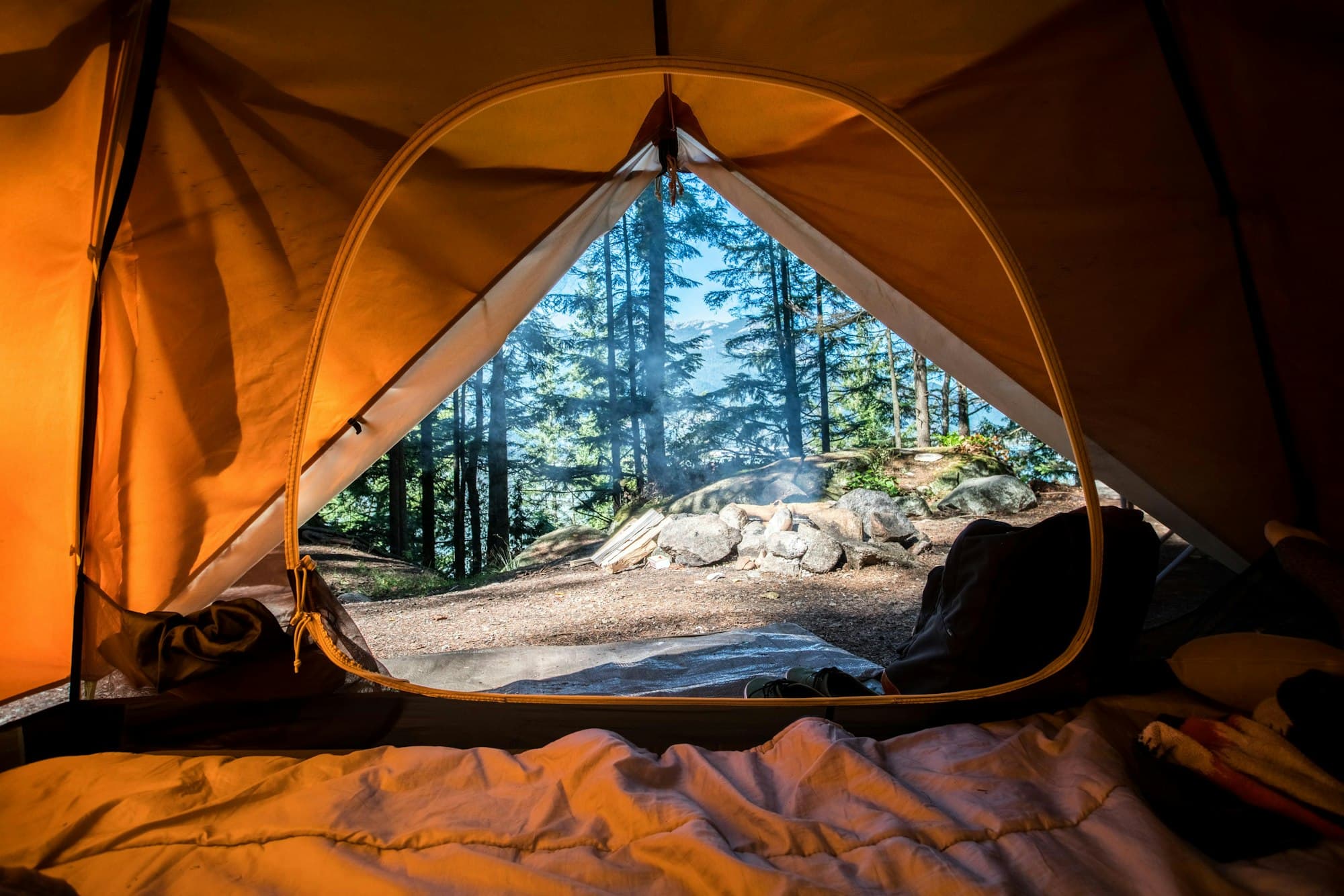
A campfire is out only when every ember, coal, log end and patch of ash is cold. No flame is not enough. No smoke is not enough. A partial pour is not a completed shutdown.
Use the official sequence: drown, stir, drown and feel. Start early enough that you can repeat it without rushing.
The complete shutdown sequence
1. Stop adding fuel early
Let large wood burn down while the fire is still attended. Keep the fire small and manageable from the start, and have water and a shovel beside the ring before ignition.
Do not leave the fire unattended while waiting for it to shrink. If the group is going to sleep, hiking or leaving even briefly, extinguish it completely.
2. Drown every part with plenty of water
Pour water slowly across the entire fire area, not only the visibly glowing center. Wet:
- embers and coals;
- charred logs and their undersides;
- ash around the perimeter;
- cracks between rocks or metal-ring edges where embers may hide.
Continue until hissing subsides. Control the pour so hot ash and steam do not splash toward people. Keep children and pets back.
3. Stir, scrape and expose hidden heat
Use a shovel to mix water through ash, embers, dirt and sand already in the fire area. Turn charred wood and scrape glowing or smoldering surfaces into the wet mixture.
The purpose is not tidiness. Stirring exposes heat insulated by ash and reaches the undersides of logs that the first pour missed.
4. Drown again
Add more water while continuing to mix. Smokey Bear's current method allows dirt and sand to be mixed during this stage, but they do not replace the water. Dirt or sand alone can cover heat without proving that it is extinguished.
Repeat the pour-and-stir cycle until there is no hissing, visible glow, smoke or warm pocket.
5. Feel for heat without grabbing embers
Hover the back of your bare hand above different parts of the fire area. Do not press into ash or touch coals. Check the center, edges, charred wood and gaps around the ring.
If any warmth remains, repeat the sequence. Smokey Bear's standard is direct: if it is too hot to touch, it is too hot to leave. In practice, use the hover check first and leave only when the entire area is cold.
What to do in common problem situations
| What you find | What it means | What to do |
|---|---|---|
| Water hisses in one corner | Heat remains below the surface | Stir that area open, add water and test again |
| A log is black outside but warm underneath | The first pour did not reach all surfaces | Turn and scrape it safely, then drown the exposed material |
| Ash looks grey with no red glow | Appearance cannot prove temperature | Stir and perform the heat check |
| The fire keeps smoking after water | Smoldering material or a warm pocket remains | Separate material within the ring, drown and stir again |
| You have only a small amount of water left | You may not have enough to complete the shutdown | Keep one responsible adult continuously watching the fire while another person brings water or contacts campground staff; never leave it unattended |
| Rain begins | Rainfall may not penetrate insulated embers | Complete the same drown-stir-drown-feel process |
| Charcoal remains in a grill or ring | Briquettes can retain heat after surfaces turn grey | Drown, stir and verify every coal is cold; follow site disposal rules |
| Fire or embers escape the ring | This may be an active wildfire emergency | Call 911 or the responsible emergency authority immediately and provide the location; act only within your ability without risking injury |
If fire reaches surrounding vegetation, do not let an attempt to save the campsite delay the emergency call. Smokey Bear specifically advises calling 911 when a fire escapes the pit or embers fly outside it.
Water, dirt and sand: what each one can—and cannot—do
Water removes heat and reaches material when stirred through it. It is the required foundation of the standard method.
Dirt and sand can help mix and separate wet material. They should not be used alone to make the surface look finished. Covering embers can insulate them, conceal heat and leave a smoldering fire beneath the surface.
If water is unavailable or restricted, the answer is not to plan a fire that cannot be extinguished using the land manager's approved method. Use a legal alternative and verify its shutdown requirements.
Check restrictions before ignition
A legal campfire depends on the exact place, date, fire-danger level, weather and equipment. Before lighting:
- check the current land-manager restrictions and campground notices;
- confirm fires are allowed in that specific site or ring;
- check wind and other hazardous conditions;
- have enough water, a bucket and shovel immediately available;
- keep the fire small and continuously attended;
- know how to report an escaped fire and describe the location.
Do not assume propane, charcoal, pellet fires or stoves are allowed because another park permitted them during a previous restriction. Each order defines what is prohibited and what exceptions, if any, apply.
Our Banff fire-ban guide explains how to read a time-sensitive restriction, but the official notice for the current destination always controls.
Building less fire makes a safer shutdown
Where local rules permit a campfire, use an existing designated metal ring or established fire area. Smokey Bear advises a flat open location, clearance from flammable objects and at least 15 feet from tents, vegetation and low branches, with overhead clearance at least three times the flame height.
Those figures are general prevention guidance, not permission to build a new pit. Many campgrounds and protected areas allow fires only in provided rings or prohibit collecting local wood. Follow the more restrictive local rule.
Keep flames modest and add wood in small amounts. Do not add large logs shortly before the planned shutdown.
Before sleeping or leaving
Run this final check:
- every person is accounted for and nobody is relying on another person to finish;
- the fire has been drowned, stirred, drowned again and checked for heat;
- no embers escaped outside the ring;
- tools and remaining fuel are stored according to site rules;
- the area around the fire is checked for sparks, ash or heat;
- the responsible adult remains until the result is cold.
Never leave a fire unattended “for a minute.” Olympic National Park notes that even a brief unattended period can allow a campfire to grow into a wildfire.
For the larger site plan, see camping safety basics and camping in a thunderstorm. Lightning and rising wind are reasons to avoid or extinguish a fire early—not reasons to rush the final check.
FAQ
What is the correct way to put out a campfire?+
Drown the entire fire with plenty of water, stir and scrape all embers, ash and charred wood, drown it again, then hover the back of your hand over every area to check for heat. Repeat until everything is completely cold.
Can dirt or sand put out a campfire without water?+
Do not rely on dirt or sand alone. They can conceal or insulate hot embers. The standard method uses plenty of water, with dirt and sand mixed during stirring rather than substituted for water.
Is a campfire out when it stops smoking?+
No. Embers can remain hot beneath grey ash without visible flame or smoke. Stir the material, wet it thoroughly and check the center, perimeter and logs for heat.
What should I do if the fire escapes the ring?+
Call 911 or the responsible emergency authority immediately and provide the best available location. Do not delay the call or risk injury attempting to control a spreading fire beyond your ability.
Sources reviewed
Fact-checked Aug 30, 2026
These references support factual or safety-sensitive claims in this article. Access dates show when our editors last verified the source.
- Smokey Bear — Campfire Safety
Official source · Accessed Aug 30, 2026
- National Park Service — Bryce Canyon Fire Safety
Official source · Accessed Aug 30, 2026
- National Park Service — Olympic Campfire Safety
Official source · Accessed Aug 30, 2026