guides / beginners
Camping for Beginners: A First-Trip Plan That Works
Plan a low-stakes first car-camping trip with a campsite decision table, essential gear checklist, arrival sequence, safety stops and printable trip card.
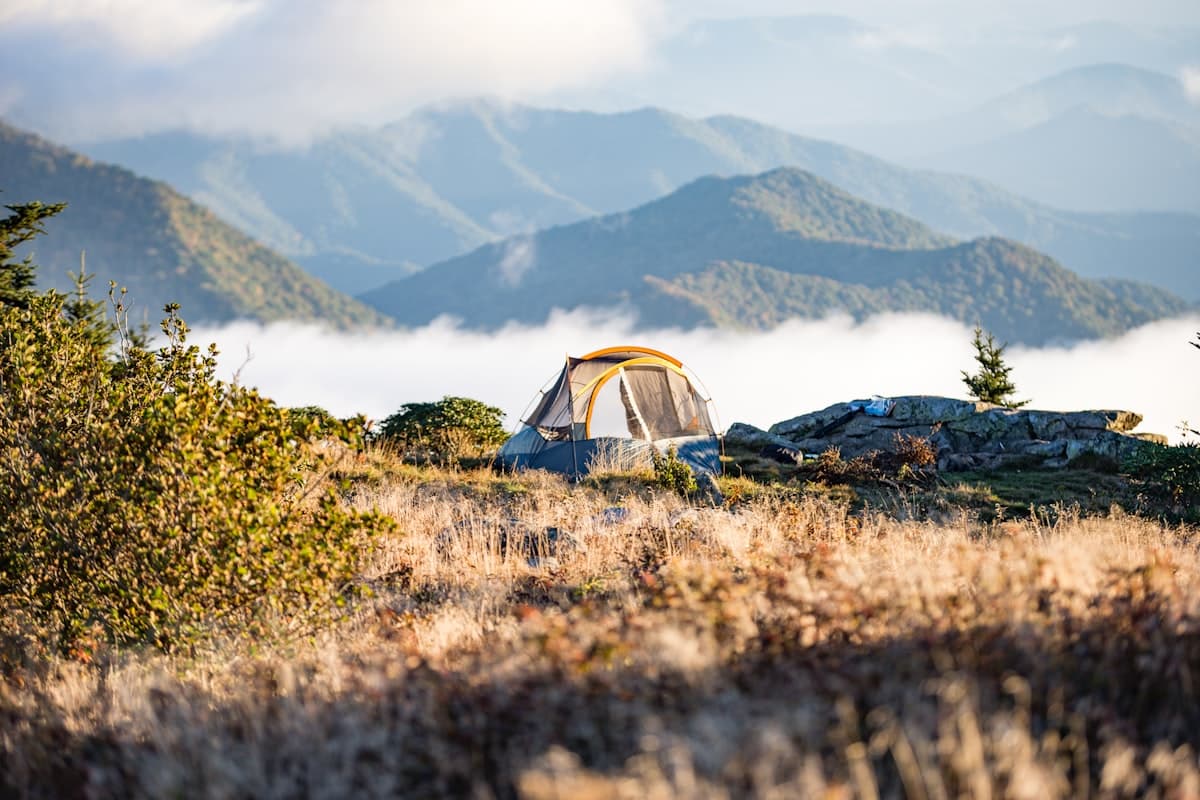
Your first camping trip should be easy to leave, easy to set up and short enough that one poor night's sleep does not become a three-day referendum on the outdoors.
For most beginners, we recommend one night at a developed campground, close enough to drive home if the plan stops working. Choose a site with toilets and a confirmed water source, arrive at least two hours before sunset, practise the tent at home and keep dinner simple. That is not a timid trip. It is a useful test with the avoidable difficulty removed.
This guide is for frontcountry tent camping where your vehicle is at or near the site. Backpacking, dispersed camping, winter camping and RV systems require different plans.
The first-trip decision in 60 seconds
| Question | Green light | Change the plan |
|---|---|---|
| Can everyone reach the site comfortably? | Drive-in or very short carry | Long hike, difficult terrain or uncertain access |
| Are toilets and water confirmed? | Facility details are current and specific | “Probably available” or seasonal water with no backup |
| Can you set up in daylight? | Arrival at least two hours before sunset | First tent pitch after dark |
| Does the forecast fit your equipment? | Mild conditions within the ratings and skills of the group | Thunderstorms, damaging wind, smoke, extreme heat or cold you have not planned for |
| Is there a simple exit? | Vehicle accessible and route known | One road may flood, close or become impassable |
| Is the sleeping system complete? | Tent, rainfly, stakes, bag or quilt, insulated pad | Sleeping bag on an uninsulated surface |
If several answers land in the right column, change the date or campsite. Beginners do not earn extra credit for learning every outdoor lesson simultaneously.
Printable first-trip card
Complete this before packing. A blank is a decision still waiting to surprise you.
- Campground and site: ____________________
- Check-in time / sunset: ____________________ / ____________________
- Potable water available now? yes / no / unconfirmed
- Toilet type and distance: ____________________
- Overnight low / rain / wind: ____________________
- Fire status and cooking fallback: ____________________
- Food-storage rule: ____________________
- Lightning-safe location: ____________________
- Exit route and leave-by trigger: ____________________
- Emergency contact holding our itinerary: ____________________
The National Park Service recommends checking current conditions, permits, food-storage rules and fire regulations, making a backup plan, and leaving an itinerary with someone who is not on the trip.
Choose the easiest useful campsite
A developed campground removes variables without removing camping. You still pitch the tent, cook outside and sleep through unfamiliar sounds; you simply avoid adding water treatment, route finding and backcountry waste systems to the first lesson.
Prioritize these features:
- A reservable, level site near your vehicle
- Toilets you are willing to use
- A water source explicitly listed as potable, or enough water brought from home
- A staffed entrance or campground host when available
- Cell coverage if the campground map confirms it, without depending on coverage for the safety plan
- Enough distance from a riverbank, cliff, dead trees and obvious drainage channels
- A drive home that remains realistic after dark
On arrival, inspect above and below the tent area. The NPS advises avoiding dead branches overhead, low ground that can collect water and locations too close to the fire ring or cooking area. Use the established tent pad rather than clearing a better one.
Pick conditions your current gear can handle
There is no universal “beginner season.” A mild weekend in one region may be hot, stormy or smoky in another. Use the actual campground forecast, overnight low, alerts and park notices.
Write your cancellation or relocation thresholds before departure. Examples include a forecast thunderstorm when no substantial building or enclosed hard-topped vehicle is reachable, a flood watch affecting the only access road, an air-quality advisory that conflicts with the group's needs, or an overnight low outside the sleep system's documented range.
This is the useful rule: the forecast does not owe you the trip you booked. Change the plan when conditions move beyond the group's equipment, health needs or experience.
Build four systems, not a mountain of gear
1. Shelter
- Tent with all poles and clips
- Rainfly, even when the forecast looks dry
- Manufacturer-specified footprint if used
- Stakes and guylines appropriate to the site
- Small repair kit
Pitch the complete tent once at home. Do not stop when it stands up: attach the rainfly, stake the corners, tension the guylines and confirm that every part returns to the bag.
2. Sleep
- Sleeping bag or quilt appropriate to the expected conditions
- Insulated sleeping pad with a verified temperature rating when the manufacturer provides one
- Sleep clothing kept dry
- Pillow or a packed-clothing substitute
The pad is part of the insulation system, not merely a mattress. A roomy tent and thick blanket do not replace insulation beneath you.
3. Light and weather protection
- Headlamp for each person
- Spare batteries or a charged backup light
- Rain shell
- Warm layer and dry change of clothing
- Sun and insect protection appropriate to the destination
- First-aid supplies and personal medication
Keep one light and the rain layers where they can be reached before unloading the car.
4. Water, food and cooking
- Confirmed potable water or a complete supply from home
- Simple meals plus one shelf-stable no-cook backup
- Cooler and food thermometer when carrying perishables
- Stove and fuel used exactly as the manufacturer directs
- Lighter or matches if required by the stove
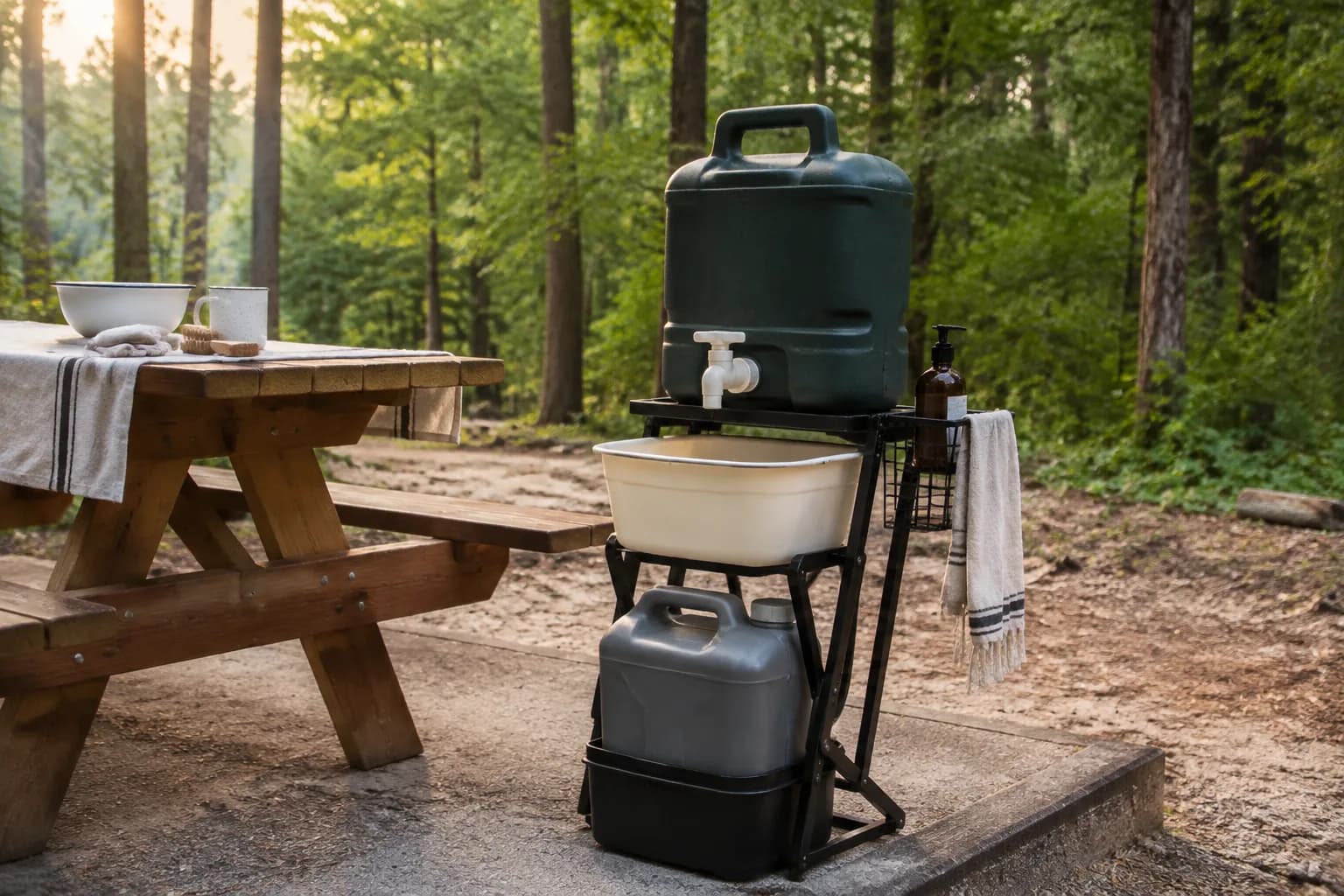
- Cleaning supplies and bags for waste
Test the stove outside before the trip. Never use a fuel-burning stove, heater, lantern or charcoal grill inside a tent, vehicle or other enclosed sleeping space. The CPSC warns that carbon monoxide from camping equipment can kill without warning.
Use the detailed weekend camping checklist to calculate meals, water and stove fuel instead of guessing from a generic packing list.
What to borrow, buy and leave at home
Borrow or rent the tent, sleeping pads and larger camp equipment when you can verify that they are complete and appropriate for the conditions. Buy personal items when fit or hygiene matters, such as footwear and medication.
For a drive-in first trip, we would skip ultralight upgrades, a multi-burner outdoor kitchen, decorative lighting and meals that require several pans. Spend the attention on shelter, sleep and a reliable light. Campsite 37 will not award points for titanium cutlery.
Use this arrival sequence
Do these jobs in order while daylight remains:
- Check in and read current alerts, fire rules, food-storage instructions and quiet hours.
- Walk the site. Identify the tent pad, overhead hazards, drainage, fire ring, food-storage location and path to the toilet.
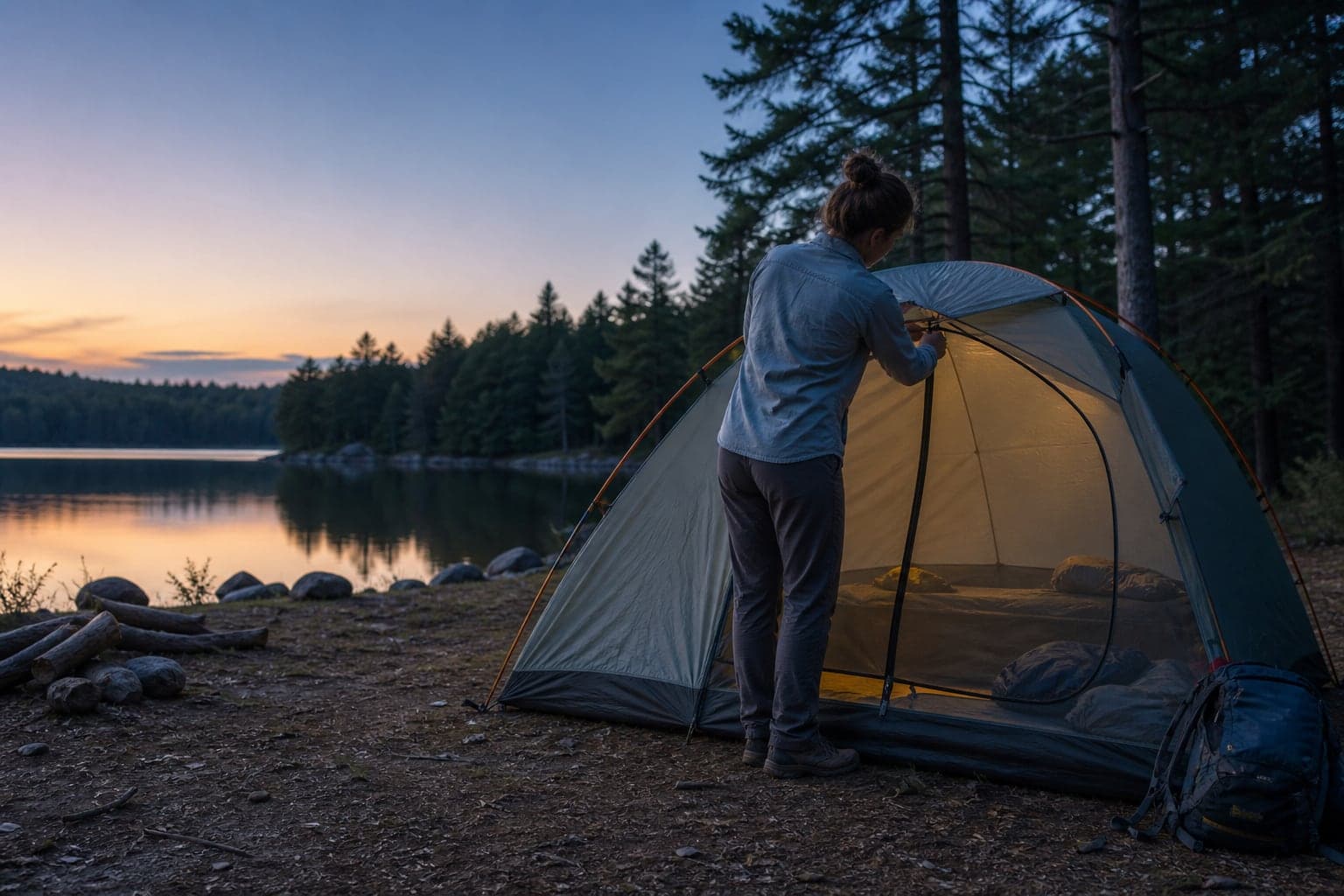
- Pitch and stake the tent; attach and tension the rainfly.
- Inflate or unfold pads and prepare the sleeping system before temperatures fall.
- Put a headlamp in each person's pocket and mark guylines if permitted.
- Store food and scented items exactly as the campground requires.
- Set up the cooking area away from the tent according to local rules.
- Confirm the vehicle keys, weather plan and exit route before dinner.
The picnic table can wait. Dry shelter cannot.
Know the stops that override the schedule
| What happens | What to do |
|---|---|
| Thunder is heard | Stop outdoor activity and move to a substantial building or enclosed hard-topped vehicle; tents and open picnic shelters are not lightning-safe. Wait at least 30 minutes after the last thunder before returning. |
| Water rises or crosses the site or road | Follow evacuation instructions, move to higher ground and never enter floodwater on foot or in a vehicle. |
| A branch, tree or shelter becomes unstable | Move people first, then notify campground staff. Do not solve it by shifting the tent a few feet beneath the same hazard. |
| Fire restrictions prohibit the planned fire | Use the permitted cooking alternative or the no-cook meal. A reservation is not an exemption. |
| The group cannot stay dry, warm enough or safely hydrated | Use the backup shelter, relocate or leave. The exit plan is part of the plan. |
| Essential equipment fails | Stop improvising if the workaround introduces flame, carbon monoxide, electrical or weather risk. Use the tested fallback or go home. |
Safety sections deserve plain language. There is no version of a campfire game that makes a tent safe during lightning.
What the first evening may feel like
Developed campgrounds vary. Some sites are close enough to hear conversations and car doors; others feel quiet. Darkness arrives quickly under trees, food takes longer on unfamiliar equipment, and normal wind or wildlife sounds can feel louder through tent fabric.
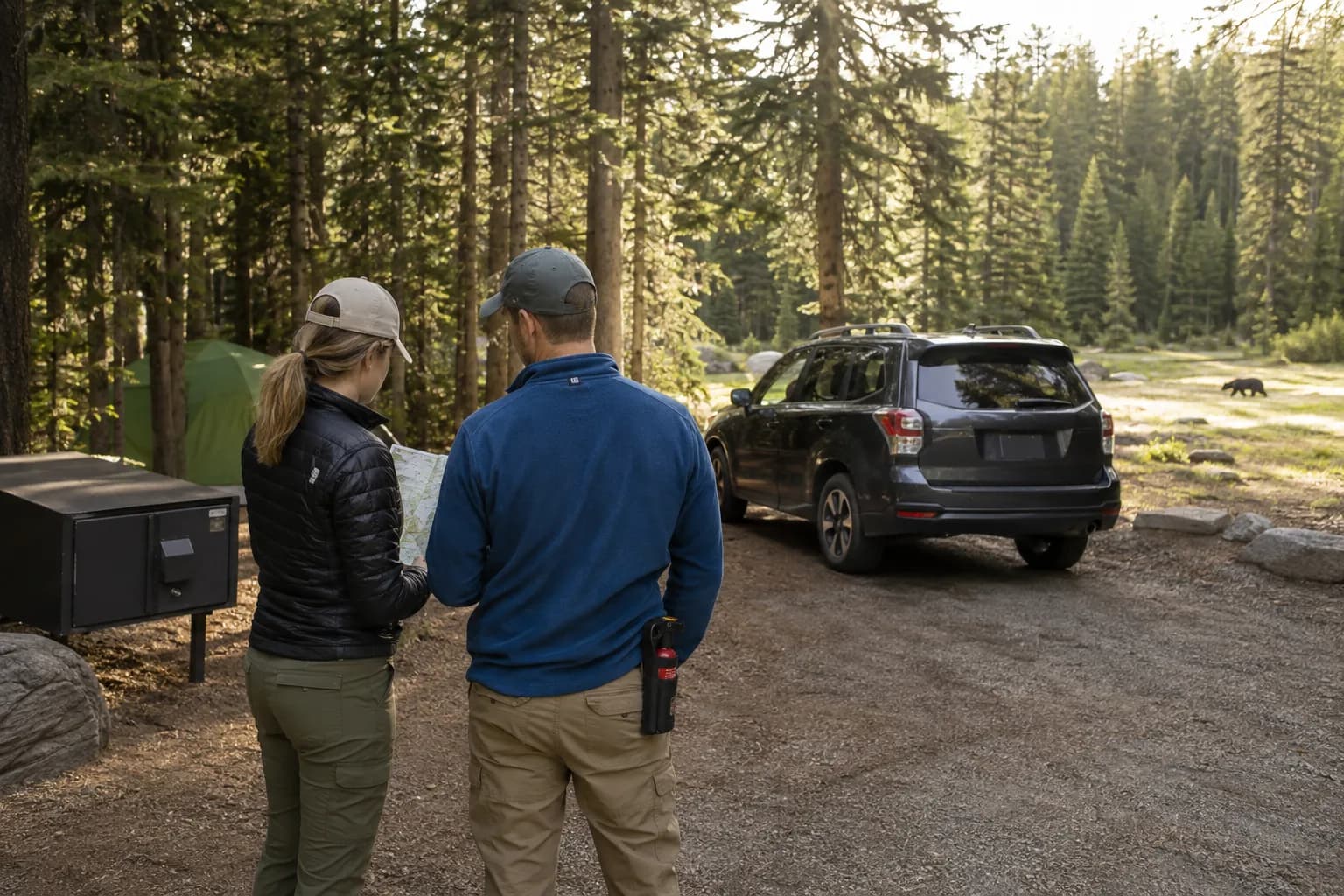
That unfamiliarity is not automatically danger, but do not dismiss every sound either. Keep food secured, follow local wildlife instructions and use a light with a companion if you must leave the site after dark. The NPS recommends learning the terrain in daylight and staying in areas already seen if you go out after dark.
Choose one low-effort evening option: cards, a book, a seated campfire game, or stargazing from a safe area inspected before dark. Skip an unplanned nighttime walk near water or unfamiliar terrain.
A two-hour first-evening plan
| Time after arrival | Task | Finish line |
|---|---|---|
| 0–15 minutes | Check in and inspect the site | Hazards, rules and exits identified |
| 15–45 minutes | Pitch shelter | Tent staked, fly tensioned, doors closed |
| 45–60 minutes | Build sleep systems | Every pad and bag ready |
| 60–75 minutes | Organize food, water and lights | Scented items stored; lights assigned |
| 75–105 minutes | Cook and eat the simple meal | Stove off, cool and stored; scraps contained |
| 105–120 minutes | Weather check and tomorrow plan | Alarm, leave threshold and morning task agreed |
If setup takes longer, drop the optional activity. Do not borrow time from food storage or weather checks.
The morning and departure check
Condensation is common inside tents even without a leak. Ventilate as the tent permits, keep wet fabric from touching dry bedding, and dry the shelter before packing when weather and checkout time allow.
Before leaving:
- Stove and fire are completely out and cool
- Food, trash and scented items are accounted for
- Tent stakes and guylines are counted
- Site is free of scraps, micro-trash and spilled food
- Nothing has been left in a food locker, toilet or charging area
- Campground checkout instructions are complete
- Emergency contact knows the group is safely out
Decide what to change on trip two
Rate only these five things from 1 to 5:
| System | Score | One change next time |
|---|---|---|
| Campsite and drive | ___ | ____________________ |
| Shelter setup | ___ | ____________________ |
| Sleep warmth and comfort | ___ | ____________________ |
| Food and water | ___ | ____________________ |
| Weather and safety plan | ___ | ____________________ |
Do not respond to one imperfect night by replacing everything. Fix the lowest-scoring system first. A leaking valve calls for a pad repair or replacement; it does not require a new tent, stove and matching enamel mugs.
For the next practical step, turn the systems above into a personal list with the what to pack for camping guide. New York residents can also review the state's first-time camper program guide; its 2026 lottery is closed, but the page explains how the program worked and what to watch for in a future season.
Sources and scope
- National Park Service: camping safely before the trip
- National Park Service: finding and setting up a campsite
- National Park Service: what to bring camping
- National Weather Service: lightning safety outdoors
- National Weather Service: flooding safety for camping
- U.S. Consumer Product Safety Commission: portable heaters and camping equipment
- National Park Service: campfire safety
Current alerts, closures, manufacturer instructions and land-manager rules replace this general guide.
FAQ
What type of camping is best for a beginner?+
For most beginners, start with one night at a developed drive-in campground near home. Confirm toilets, potable water, food-storage rules and a simple exit before booking. Backpacking, dispersed camping and winter camping add systems that are easier to learn after the basic shelter and sleep setup works.
What is the minimum gear for a first camping trip?+
Build four complete systems: shelter, sleep, light and weather protection, and water, food and cooking. At minimum that normally means a complete tent, sleeping bag or quilt, insulated pad, headlamp, suitable clothing, first aid and medication, water, food, and a safe cooking method or no-cook plan.
Should beginners practise setting up a tent?+
Yes. Pitch the whole tent at home, including the rainfly, stakes and guylines. The rehearsal reveals missing parts, confusing pole orientation and damaged equipment while there is still time and light to fix them.
How long should a first camping trip be?+
One night is usually the most useful first test. It is long enough to test setup, dinner, sleep and departure, while keeping the consequences of failed gear or poor conditions small. Choose a longer first trip only when the group already knows the equipment and has a solid backup plan.
What should a beginner do when thunder starts at camp?+
Move immediately to a substantial building or an enclosed hard-topped vehicle. A tent, tarp or open picnic shelter is not a safe lightning shelter. Wait at least 30 minutes after the last thunder before returning outdoors.
Can a camping stove be used inside a tent when it rains?+
No. Do not use a fuel-burning stove, heater, lantern or charcoal grill in a tent, vehicle or enclosed sleeping area. Carbon monoxide can build without warning. Use an approved outdoor location or the no-cook backup meal.
Sources reviewed
Fact-checked Sep 4, 2026
These references support factual or safety-sensitive claims in this article. Access dates show when our editors last verified the source.
- National Park Service — Camping Safely Before the Trip
Official source · Accessed Sep 4, 2026
- National Park Service — Finding and Setting Up a Campsite
Official source · Accessed Sep 4, 2026
- National Park Service — What to Bring Camping
Official source · Accessed Sep 4, 2026
- National Weather Service — Lightning Safety Outdoors
Official source · Accessed Sep 4, 2026
- National Weather Service — Flooding Safety for Camping
Official source · Accessed Sep 4, 2026
- U.S. Consumer Product Safety Commission — Portable Heaters and Camping Equipment
Official source · Accessed Sep 4, 2026
- National Park Service — Campfire Safety
Official source · Accessed Sep 4, 2026