guides / checklists
What to Pack for Camping
What to pack for camping — how to actually load a vehicle, distribute weight, and organize gear by zone, not another list of what to bring.
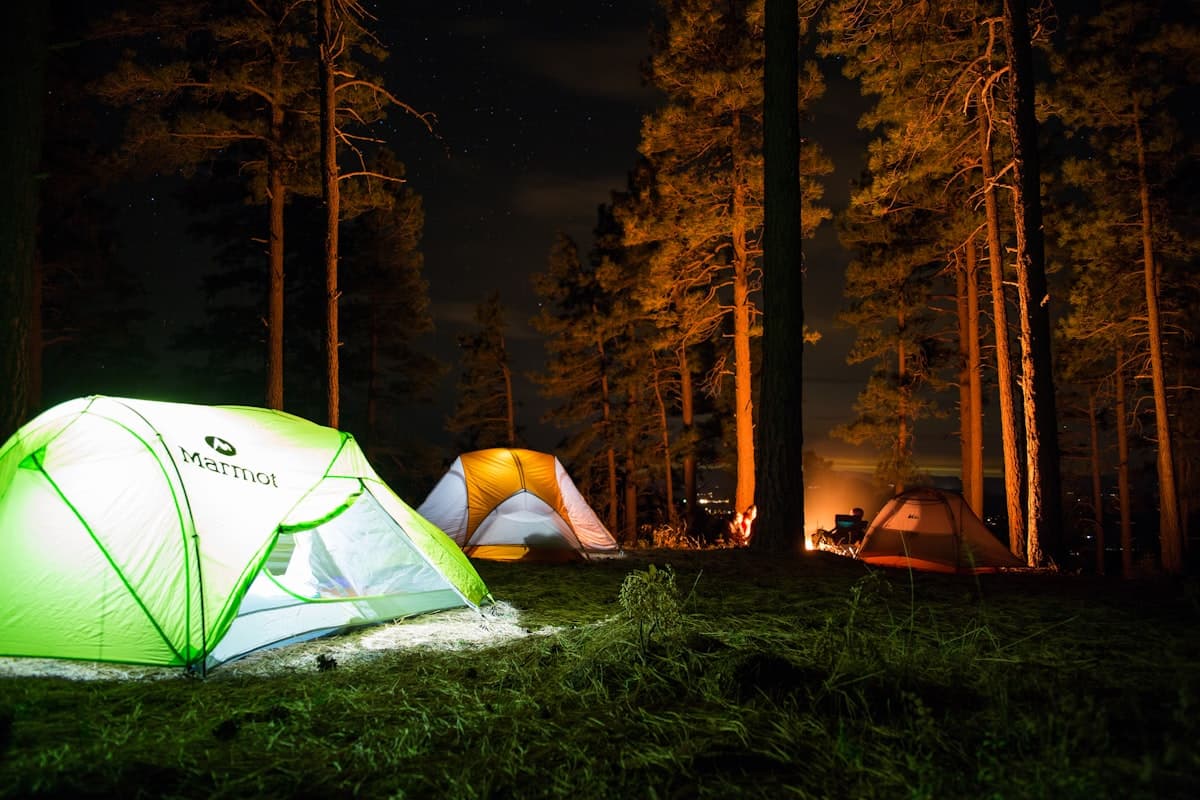
Knowing what to bring and knowing how to actually fit it in a vehicle are two different problems, and most "packing" content only answers the first one. This is about the second: how to load a car so nothing shifts, nothing's buried under everything else, and unpacking at the site doesn't turn into an archaeology dig.
Pack by zone, not by trip day
Group gear into fixed zones rather than mixing everything into one undifferentiated pile: a kitchen bin, a sleep-system bin (bags, pads, pillows), a personal-items zone (one bag per person), and a tools/setup zone (tent, stakes, a hatchet or saw, rope). Each zone loads and unloads as a unit, which matters more than it sounds — finding the can opener shouldn't mean digging through everyone's clothes.
Load in reverse order of when you'll need it
The last thing loaded should be the first thing you need at the site — usually the tent and setup tools, since pitching shelter comes before anything else. Whatever you won't touch until the final night (extra layers, a rarely-used tool) goes in first, at the back or bottom. This single ordering decision saves more real time at the campsite than almost any other packing choice.
Weight distribution matters for handling, not just space
Heavy items — the cooler, water jugs, the kitchen bin — belong low and centered in the vehicle, not stacked high or pushed to one side. A car loaded top-heavy or lopsided handles differently, which matters more on an unfamiliar forest road than it does on a highway. This is a genuine handling and safety consideration, not just a packing-efficiency one.
Bins beat bags for anything that needs finding
Compression sacks make sense for anything you're carrying on your back; in a vehicle, rigid, stackable bins are easier to identify at a glance, protect contents from anything shifting on top of them, and double as a barrier against rain if part of the load ends up exposed. Label them by zone if your household packs for camping often enough that "which bin has the stove" becomes a real question.
Keep a small "first hour" bag separate from everything else
Pack one bag or box with only what you need in the first hour at the site — the tent's stake bag, headlamps, bug spray, something to eat immediately — and keep it accessible rather than buried under the main load, even if it means loading it last regardless of the zone-ordering above. Arriving in fading light and needing to unpack half the car just to find a headlamp is one of the more common first-trip frustrations, and it's entirely avoidable with five minutes of forethought.
What actually goes where in the vehicle
Roof or rear cargo space suits bulky, rarely-touched items (extra layers, a spare tent if you're bringing one). The trunk or rear cargo area suits the bins described above. Passenger-accessible space should hold only what you'd genuinely want mid-drive — snacks, water, entertainment for kids — not overflow from the main load.
Once the loading logistics are sorted, our camping essentials guide covers what actually needs to be in those bins in the first place, ranked by how much trouble skipping it causes, and the ultimate camping checklist covers the full system-by-system version for building out each zone in detail.
FAQ
What's the best way to organize camping gear in a car?+
Group gear into fixed zones (kitchen, sleep system, personal items, tools) using stackable bins rather than mixed bags, and load in reverse order of when you'll need each zone at the site.
Should heavy camping gear go on top or bottom of the load?+
Bottom, and centered rather than to one side — this affects vehicle handling, not just space efficiency, and matters more on unfamiliar or unpaved roads.
What should be the last thing packed for a camping trip?+
Whatever you need first at the site — usually the tent and setup tools — since it should come out first, not get buried under everything loaded before it.