guides / checklists
Camping Essentials: What You Need for a First Trip
Use a short first-trip triage to separate camping essentials you must secure, facts to confirm with the campground, and gear you can wait to buy.
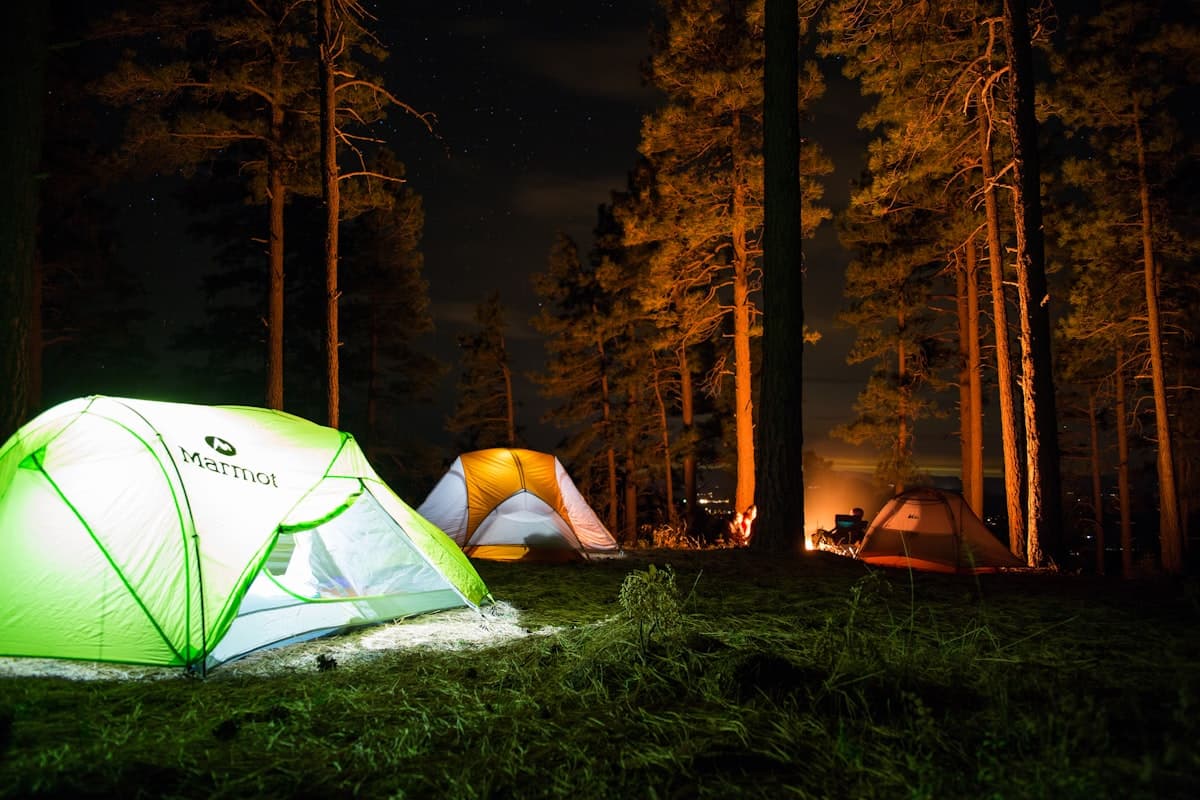
For a first frontcountry camping trip, the essentials are not fifty products. They are six working systems: shelter, sleep insulation, safe water, personal light, health and emergency supplies, and a food plan that follows the site’s rules.
What belongs inside each system depends on what the campground provides. Build the short list for this trip before buying anything.
Keepsake Camp first-trip triage
Build the short list for this campsite
Choose what is already provided and what the trip may demand. The result separates items to secure from facts to verify.
Essentials updated for shelter not provided, water unknown, meals cook, rain not selected and cold not selected. 6 items to secure and 2 facts to confirm.
Secure before leaving
- Weather-capable shelterVerify every part is present and that the sleep layout actually fits.
- Sleep system for the forecast lowInsulation underneath matters as well as the bag or bedding above.
- Reliable personal lightKeep it reachable and bring its appropriate backup power.
- First aid and personal medicationMatch both to the people, duration and distance from help.
- Drinking-water supply or treatment planUnknown is not the same as confirmed potable.
- Legal outdoor cooking systemBring compatible fuel and a no-cook fallback; never use it inside a tent or vehicle.
Confirm with the site
- Current site rules and alertsCheck fires, food storage, occupancy, vehicles and closures with the land manager.
- Food and attractant storage methodMeals, snacks, trash and scented items still require the site's approved storage method.
Scope: a frontcountry first trip. Backcountry travel, medical needs and severe weather require a different plan.
The short answer: six systems, not six products
| System | What must be true | What to verify |
|---|---|---|
| Shelter | Everyone and the sleep gear fit inside weather protection | Provided accommodation, complete tent parts, footprint and site surface |
| Sleep | Each camper has insulation above and below for the expected low | Forecast, pad insulation and the limits of the sleeper |
| Water | Drinking, cooking and hygiene water remain safely available | Whether campground water is potable, operational and seasonal |
| Light | Each person can move and handle tasks after dark | Runtime, backup power and where the light is stored |
| Health and emergency | Medication, first aid and a response plan match the trip | Coverage, allergies, communications and distance from help |
| Food | Meals can be prepared and stored legally | Fire rules, cooking restrictions and attractant-storage requirements |
This framing matters because an amenity can replace a product. A cabin may replace the tent, but not automatically the bedding. Potable campground water may replace treatment equipment, but only after availability is confirmed. No-cook meals can remove a stove from the list without making the trip somehow less legitimate.
1. Shelter: verify the complete system
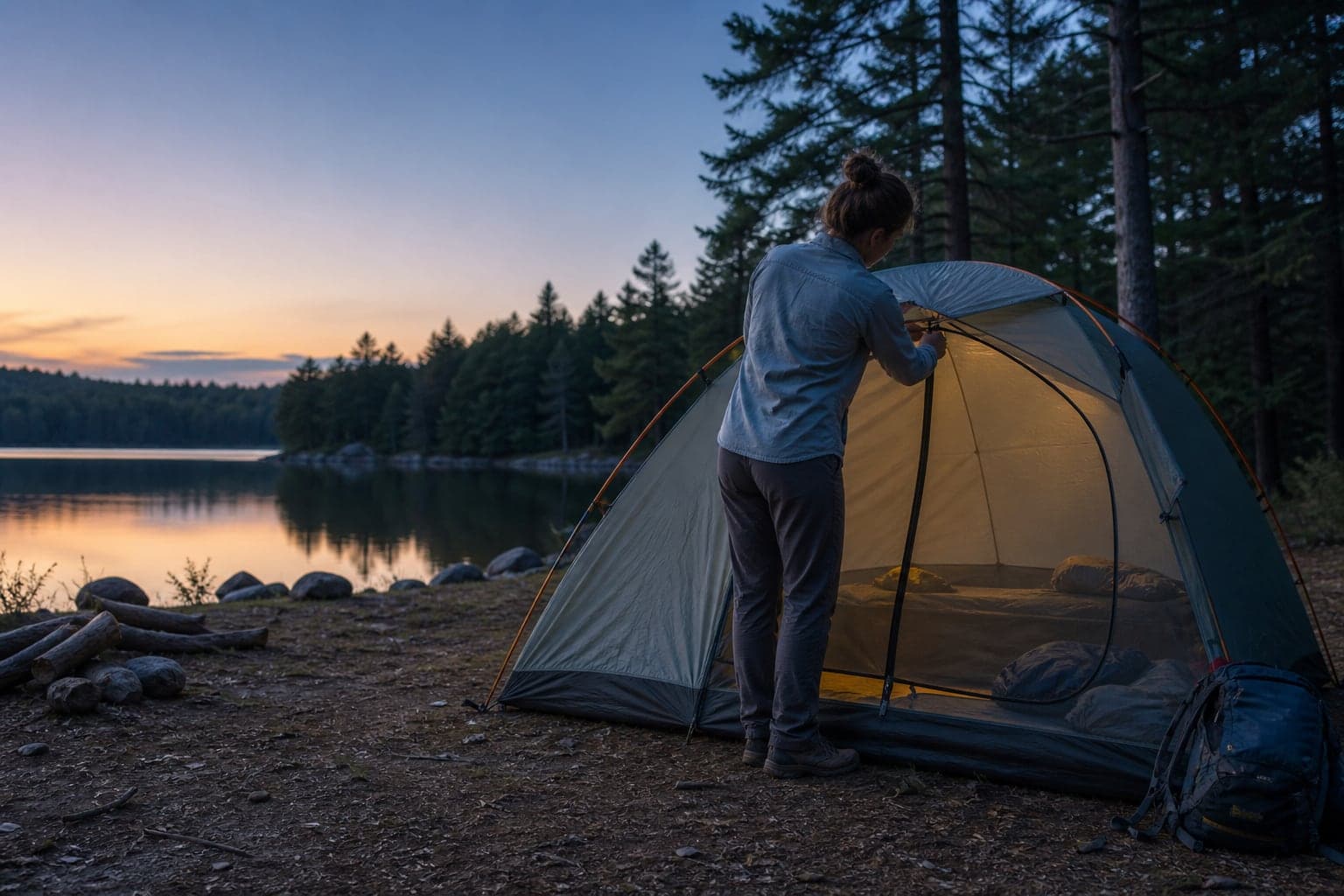
A tent is essential only when another weather-capable shelter is not provided. If you use one, confirm the body, fly, poles, stakes and any required connectors are present before leaving. A bag labelled “six person” is not proof that six real sleep systems fit comfortably; use the published floor dimensions and your actual pads.
Cabins, yurts and platform shelters vary. Some provide little more than walls and a roof. Verify bedding, heat, lighting, electricity, cooking rules and whether food can remain inside.
2. Sleep: the ground counts
A warm sleeping bag cannot stop the ground from drawing heat away by itself. Plan the bag or quilt and the pad as one system, then compare them with the expected overnight low and the person using them.
Temperature labels are inputs, not promises. Clothing, humidity, pad insulation, metabolism and whether somebody sleeps warm or cold all matter. For a first trip, borrowing a suitable system is often smarter than buying the cheapest bag and discovering its limits at 2 a.m.—a very educational hour, but not a charming one.
3. Water: “listed” is not the same as available
The National Park Service camping guidance treats water as a primary need and notes that backcountry water requires filtration or purification. For a developed campground, verify that the water is currently potable and operating; seasonal shutdowns and local advisories can change the answer.
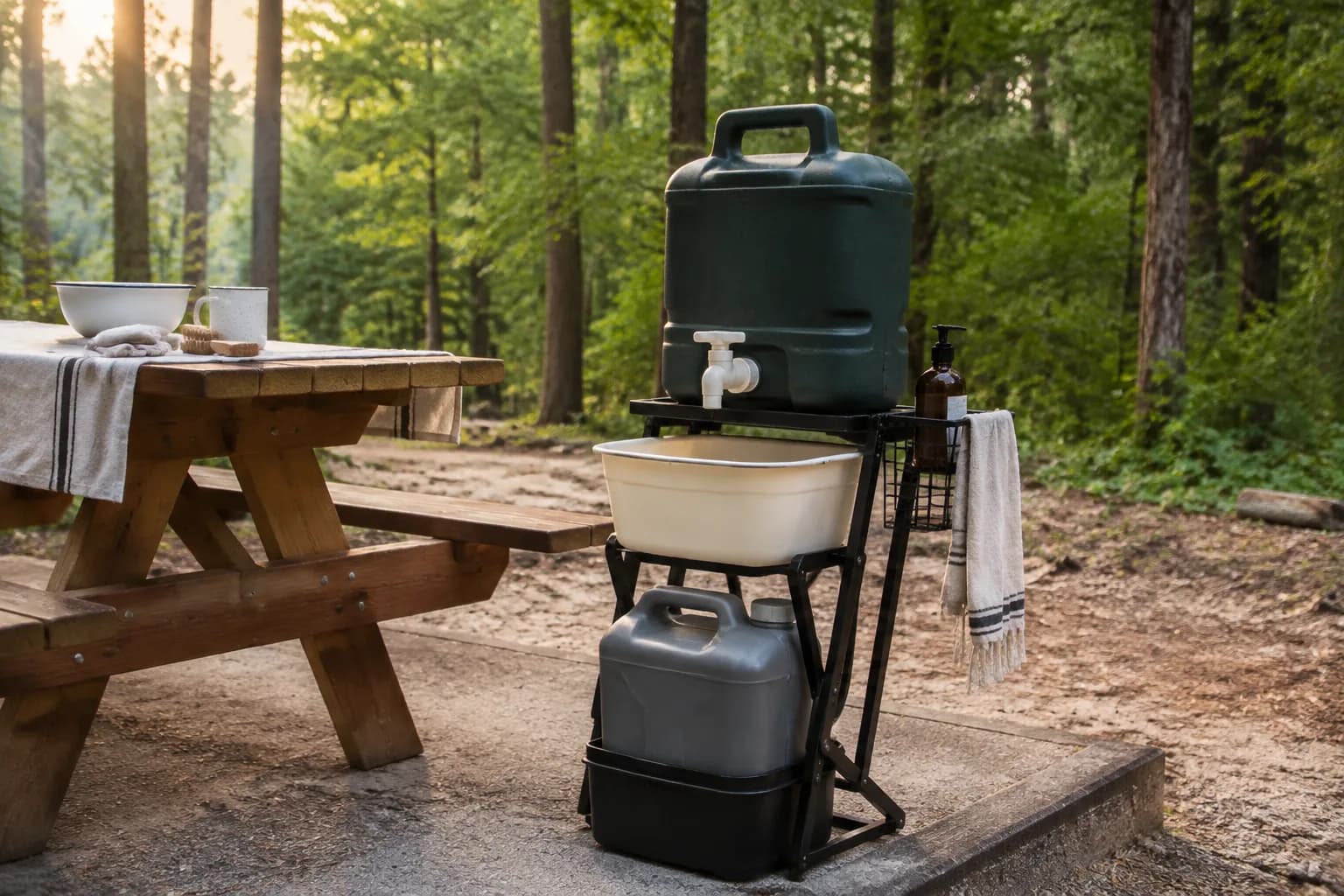
If water is unavailable or uncertain, create a supply or treatment plan before departure. Account for drinking, cooking and hygiene without pretending one universal volume fits every climate, activity level, person or trip length.
4. Light: personal beats shared
One reliable headlamp or flashlight per person prevents a shared light from leaving someone stranded between the tent, washroom and vehicle. Keep it reachable after dark and know what its backup power actually is.
A phone flashlight is a useful backup, not the entire lighting plan. It competes with navigation and emergency communication for the same battery.
5. Health and emergency: match the people, not a generic list
Bring personal medication, a first aid kit appropriate to the group and a plan for contacting help. Download directions and critical reservation details before entering unreliable coverage.
The contents change with allergies, children, distance from care, planned activities and trip length. A checked box cannot confirm that the kit contains the medication or skill a real incident requires.
6. Food and cooking: decide the meals first
Start with the meals, then choose equipment. A no-cook menu can remove the stove and much of the kitchen. Cooking at camp requires a legal outdoor system, compatible fuel, utensils and a fallback if restrictions change.
Never use fuel-burning camping equipment inside a tent, camper or vehicle. The CPSC warns that carbon monoxide from portable camping equipment can kill, and specifically warns against using heaters or lanterns while sleeping in enclosed camping spaces.
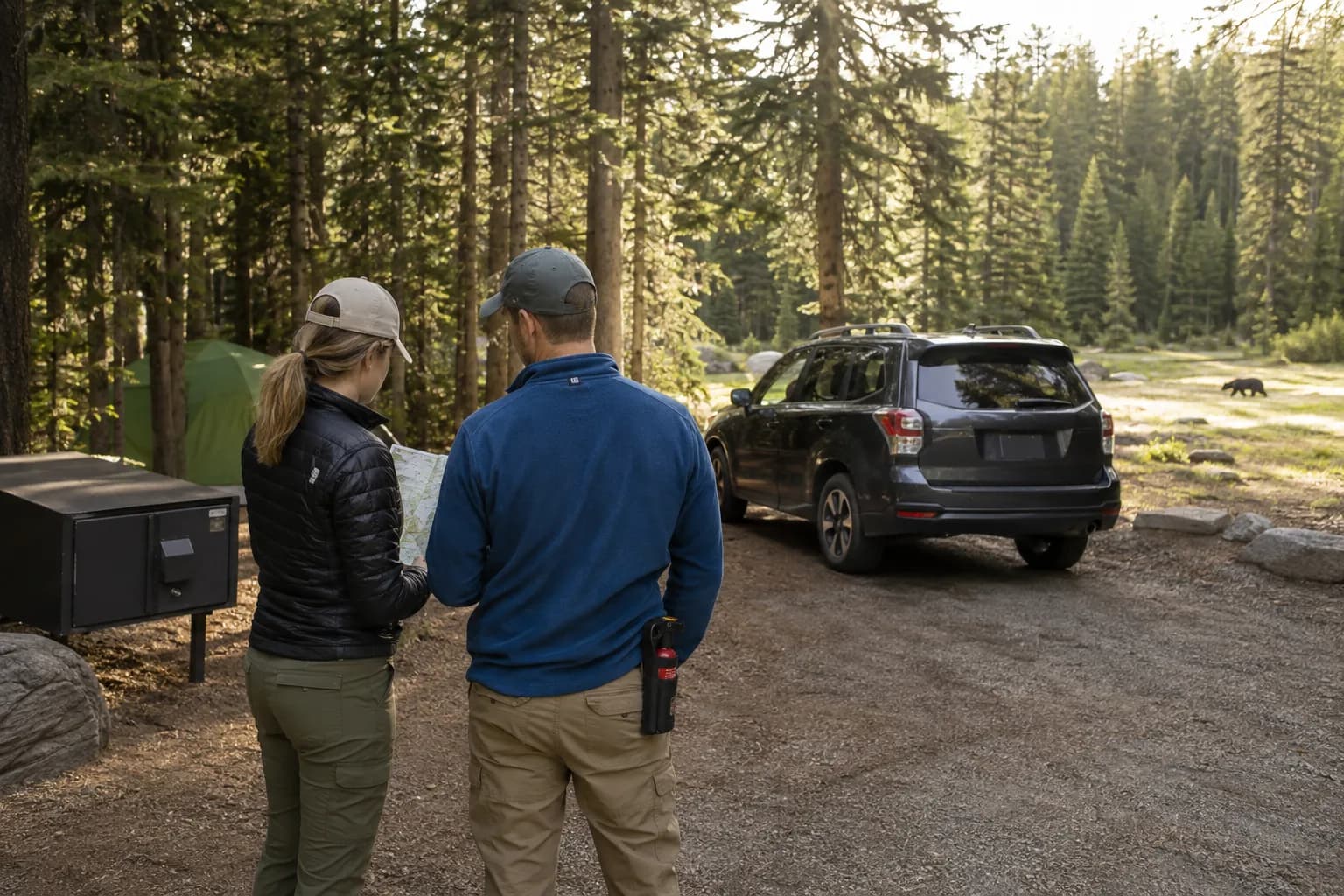
Food, coolers, cookware, trash and scented items may all be attractants. The NPS cooking guidance says never to feed wildlife and to follow the campground’s food-storage rules. Verify whether the site requires a locker, vehicle storage or an approved bear-resistant container.
Buy, borrow or wait?
| Decision | Good candidates | Why |
|---|---|---|
| Secure or borrow now | Shelter, sleep system, personal lights, first aid and required water/storage equipment | The trip cannot safely rely on these appearing later |
| Confirm before buying | Water containers, stove, cooler, bear-resistant storage, table and chairs | Site amenities and rules may change what is necessary |
| Usually wait until after trip one | Large camp kitchen, decorative lighting, specialized organizers and duplicate furniture | Preference is easier to discover by camping than by shopping |
Renting or borrowing is not a lesser version of camping. It is a practical test that reveals whether you value standing room, a thicker pad, a quieter stove or simply fewer objects in the vehicle.
Keep the three checklist pages separate
This page answers what deserves priority for a first frontcountry trip.
- Use the car-camping essentials planner when vehicle space, power, cooking and multi-night logistics shape the loadout.
- Use the camp water container and sink guide to calculate full carrying weight and build a clean potable-to-gray-water path.
- Use the ultimate camping checklist when you already understand the systems and want a detailed packing inventory.
- Use the first camping trip guide for choosing a destination, reservation and manageable first itinerary.
Limits of this guide
This is not a backcountry packing list, a severe-weather plan or medical advice. Backcountry travel adds navigation, water-treatment, communication, wildlife and self-rescue requirements that depend on the route and land manager. Current rules and forecast conditions override an evergreen article.
FAQ
What are the most important camping essentials for beginners?+
Start with six working systems: weather-capable shelter, an insulated sleep system, safe water, personal lighting, health and emergency supplies, and a legal food-storage and meal plan. The exact products depend on campground amenities and conditions.
Do I need to buy all my camping gear before the first trip?+
No. Borrowing or renting shelter and sleep equipment is often the most useful first-trip test. Confirm campground amenities and rules before buying a stove, water containers, furniture or specialized food storage.
What camping gear can wait?+
A large camp kitchen, decorative lights, specialized organizers and duplicate furniture can usually wait until you know what your group actually values. Safety-critical systems still need to be secured, whether bought, borrowed or rented.
Is this checklist suitable for backpacking?+
No. This guide is scoped to a first frontcountry trip. Backcountry routes require destination-specific planning for navigation, water treatment, communications, wildlife and self-rescue.
Sources reviewed
Fact-checked Aug 31, 2026
These references support factual or safety-sensitive claims in this article. Access dates show when our editors last verified the source.
- National Park Service — What to Bring Camping
Official source · Accessed Aug 31, 2026
- National Park Service — Cooking in Camp
Official source · Accessed Aug 31, 2026
- U.S. Consumer Product Safety Commission — Portable Heaters and Camping Equipment
Official source · Accessed Aug 31, 2026