guides / checklists
Car Camping Essentials: Build the Right Loadout
Build a car-camping checklist around group size, nights, weather, cooking, power and wildlife rules—then compare the specifications that change real trips.
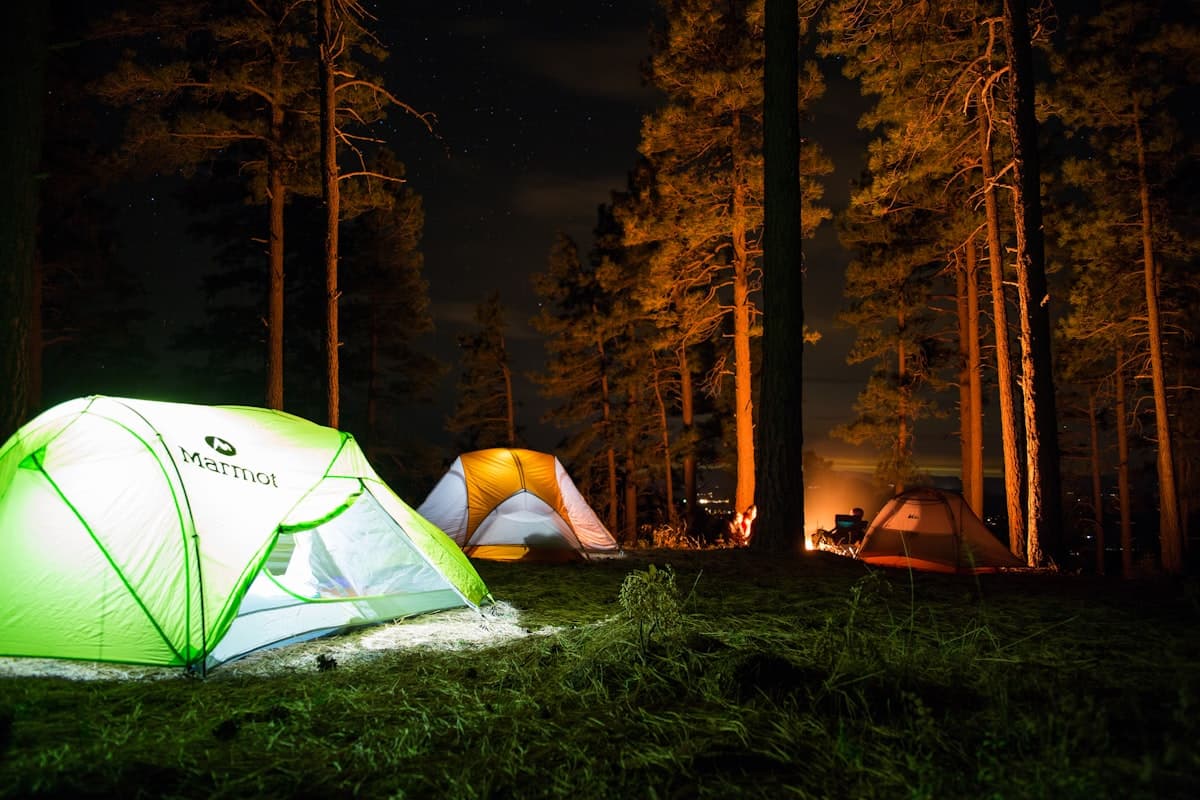
Car camping lets the vehicle carry the weight. It does not remove the need to plan space, weather, water, food storage, power or a safe sleep system.
Start with the conditional checklist below. It adds systems based on this trip instead of treating a two-person serviced campground and a six-person remote site as the same packing problem.
Keepsake Camp loadout check
Build the checklist for this trip
This does not prescribe one universal packing list. It adds the systems your trip conditions require, then leaves quantities that depend on weather, destination rules and actual equipment to you.
0 of 15 checklist items checked
Confirm current fire, food-storage, vehicle, generator and campsite-occupancy rules with the responsible land manager. A checked box records planning; it does not verify compliance.
The six systems that matter most
| System | Decision to make | Specification or rule that matters |
|---|---|---|
| Shelter | Will everyone and the sleep gear fit without blocking doors? | Real floor dimensions, wall shape, doors and complete pitched footprint |
| Sleep | Will the system insulate at the expected low? | Verified pad R-value, bag/quilt temperature information and personal conditions |
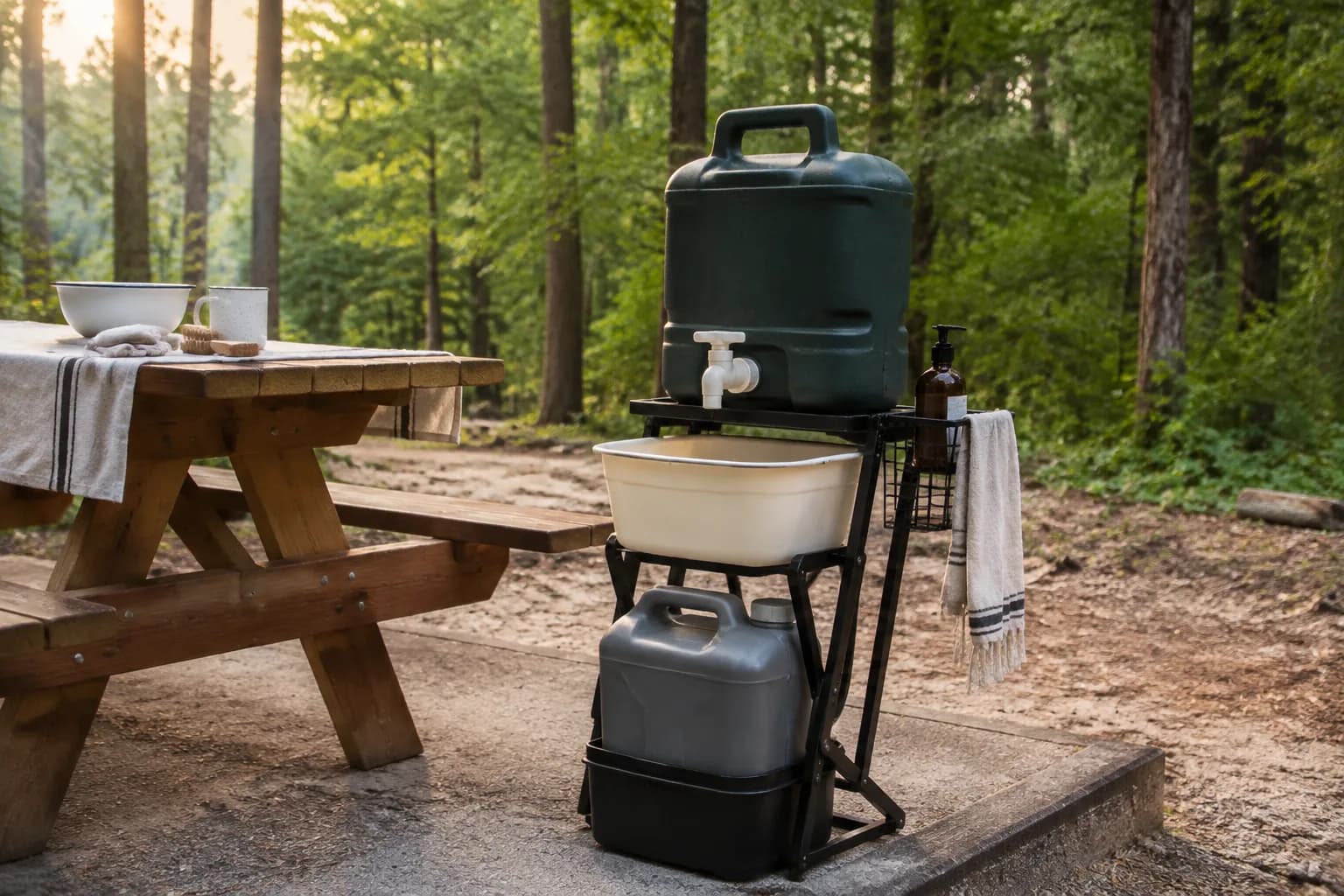
| Water | Is potable water available throughout the stay? | Current campground service, refill access, treatment plan and container capacity |
| Kitchen | What meals will actually be cooked? | Burner needs, fuel compatibility, cleanup and wildlife-safe storage |
| Power | Which devices must run, and for how long? | Watts, hours, watt-hours, ports, recharge method and fallback |
| Site | What restrictions change the loadout? | Fire, food storage, generator, vehicle, occupancy and quiet-hour rules |
This table is the core checklist. Chairs and string lights may improve the evening; none of them compensate for a sleep system that does not fit or a water source that is shut off.
What the car changes—and what it does not
The useful advantage is not permission to fill every cubic inch. It is freedom to choose comfort and redundancy where they solve a real problem:
- a roomier tent when its full footprint fits the reserved pad;
- a thicker sleep system that still insulates from the ground;
- rigid, organized bins instead of pack-oriented stuff sacks;
- a second water container or backup light;
- a stable table or chairs when the site does not provide them.
The car does not guarantee campsite access, electrical hookups, potable water or permission to sleep in the vehicle. Confirm all four rather than treating “drive-in” as a package of amenities.
Shelter: measure the floor, doors and campsite
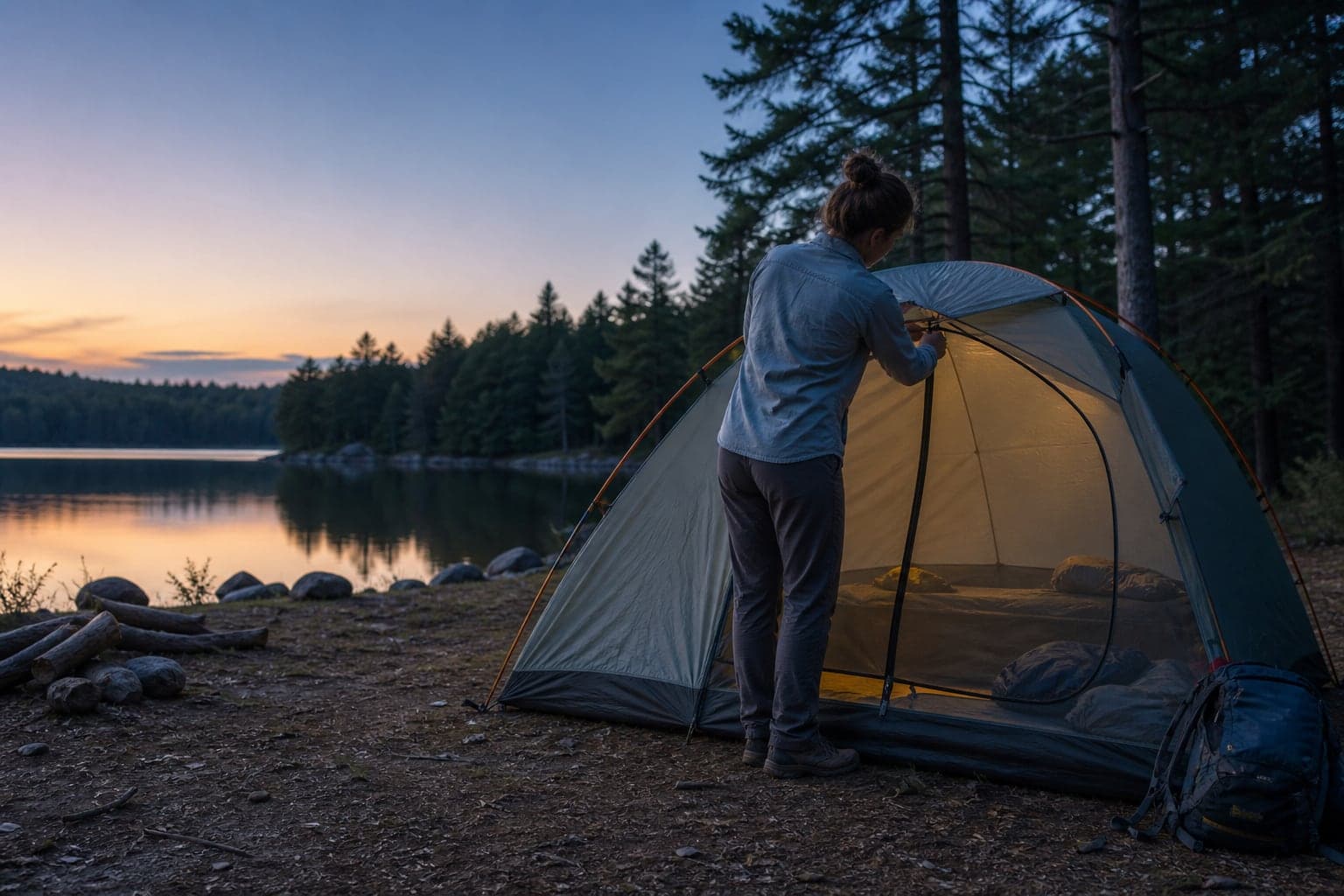
Ignore the nominal person rating until the actual sleep systems have been measured. A larger capacity label can still fail because the floor tapers, mattresses rise into sloping walls or the only door ends up behind someone's pillow.
Compare:
- floor width and length at the locations the manufacturer measures;
- door count and position;
- peak height and usable height away from the center;
- vestibule area for suitable non-food gear;
- complete fly, guyline and stake footprint;
- setup complexity for the people who will pitch it;
- packed dimensions relative to the vehicle, not only packed weight.
Use the tent sleeping-capacity calculator before choosing a tent. A rectangular pass is only the first filter, but it eliminates candidates that cannot hold the measured row at all.
Our verdict: for car camping, spend capacity on usable layout, not the largest number printed on a carry bag.
Sleep: thickness is comfort; insulation controls heat loss
A thick air mattress can feel comfortable and still allow substantial heat loss to the ground. Compare the verified insulation information for the pad or mattress separately from its thickness.
Build the system from the ground upward:
- surface protection or footprint when the tent manufacturer recommends it;
- pad, mattress or cot that physically fits;
- ground insulation suited to the expected low and sleeper;
- sleeping bag, quilt or bedding appropriate for conditions;
- dry sleep clothing reserved from daytime use.
Do not use a fuel-burning heater inside a tent or vehicle to repair an inadequate sleep system. The CPSC states that people die every year from carbon monoxide poisoning involving camping heaters, lanterns or stoves used in enclosed areas.
Water: confirm availability before choosing container size
“Water at the campground” may mean potable taps throughout a loop, one seasonal fill station, a boil-water notice or no service during the booked dates.
Before packing:
- check the responsible land manager's current water notice;
- separate drinking water from washing or utility water if required;
- decide how and where containers will be refilled;
- confirm a treatment method if relying on natural water;
- choose containers the group can lift, pour and secure in the vehicle;
- carry an appropriate reserve for delays and changing conditions.
There is no honest universal jug size for every group and climate. Calculate from the destination, trip duration, people, cooking plan and expected heat rather than copying one number from a mild weekend itinerary.
Kitchen: pack meals first, equipment second
Write the meal plan before selecting the kitchen bin. Each planned meal should answer:
- Which burner or no-cook method does it require?
- Which pot, pan or utensil is necessary?
- What must stay cold?
- How will dishes and food scraps be managed?
- Where will every attractant be stored when unattended?
A two-burner stove is useful when two simultaneous cooking tasks repeatedly appear in the plan. If every meal uses one pot, the second burner is equipment looking for employment.
A cooler's marketing claim is not a trip plan. Ice retention changes with ambient temperature, opening frequency, food temperature, packing ratio and test method. Compare capacity and documented test conditions, then plan replenishment or a food strategy that remains safe if real performance is lower.
Wildlife storage: the cooler may still need to go away
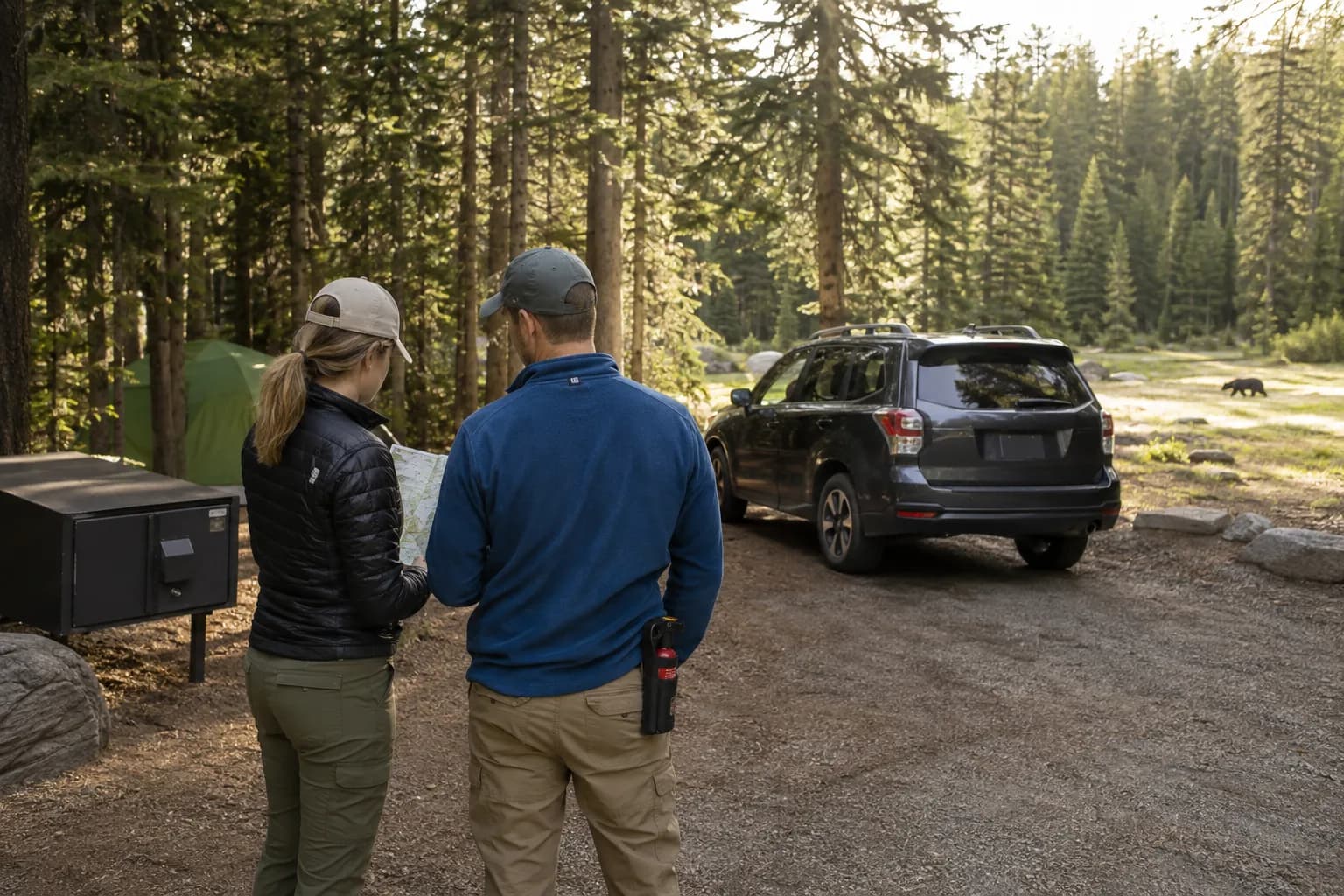
Do not assume an expensive cooler can remain outside because its lid feels substantial. Rules are destination-specific. Rocky Mountain National Park, for example, requires coolers and other attractants to be stored or secured when a site is unattended and includes toiletries, cookware and pet items in its food-storage requirements.
Before the trip, identify:
- which items the destination treats as attractants;
- whether a provided locker, hard-sided vehicle or approved container is required;
- whether the vehicle type changes the rule;
- the dimensions and availability of shared lockers;
- how dirty cookware, trash and grey-water-related items must be handled.
The relevant product comparison is not only “Which cooler holds ice longest?” It is also “Will this complete kitchen system fit the legal storage location?”
Power: make a watt-hour budget before shopping
List every device that matters. For each one, multiply its operating watts by hours of use to estimate watt-hours. Add repeated days, then account for conversion losses and reserve according to the power station manufacturer's guidance.
| Device type | What to verify | Common planning mistake |
|---|---|---|
| Phone or camera | Battery capacity and number of recharges | Treating optional charging as essential load |
| Light | Watts, brightness setting and nightly hours | Calculating from maximum output only |
| Fan | Running watts and overnight duration | Ignoring that a small continuous load runs for many hours |
| Compressor cooler | Measured or manufacturer duty-cycle information | Multiplying peak watts by 24 hours without understanding cycling |
| Medical device | Verified requirements and approved backup | Relying on an untested station or cable |
For non-essential electronics, a smaller station plus conservative use may beat a large, expensive unit. For medical equipment, follow the device manufacturer and clinician's guidance; a general camping calculator cannot certify the setup.
Use the Gear Finder to compare available specifications, but treat missing power or runtime data as missing—not as a match.
Organization: pack by action, not by object type
A practical bin system follows campsite jobs:
- arrival bin: site confirmation, lights, shelter tools, layers and anything needed before the tent is up;
- kitchen bin: stove accessories, cookware, cleaning tools and meal-specific equipment;
- sleep bin: sleep clothing, lights and items needed inside the tent;
- weather bin: rain protection, tarp hardware where permitted and dry reserves;
- departure bin: trash supplies, cleaning tools and items needed after other bins close.
This reduces the familiar first-night ritual of opening every container to find one headlamp. Keep medication, emergency communication and critical documents accessible rather than buried in the category system.
What to skip
Skip equipment that has no job in the actual itinerary:
- a generator for a trip whose only load is two phones;
- a large kitchen for no-cook meals;
- furniture that does not fit within the assigned site;
- duplicate “just in case” items that create more setup than resilience;
- a larger tent that cannot fit the reserved pad;
- fuel-burning appliances intended to operate inside an enclosed shelter.
If removing an item does not change safety, sleep, food, water or a planned activity, it is probably optional. Optional is fine—car camping should be comfortable—but call it comfort rather than an essential.
For quantities beyond the car-specific systems, use the weekend camping checklist or ultimate camping checklist. For medical preparation, see the camping first aid kit.
FAQ
What are the true essentials for car camping?+
Start with six systems: shelter, sleep insulation, water, food and cooking, safety, and site-specific compliance. Add comfort equipment only after those systems fit the group, weather and destination.
Do you need a power station for car camping?+
Not necessarily. List required devices, watts and hours first. Phones and lights may need only small batteries or vehicle-safe charging, while continuous loads require a measured watt-hour budget and fallback.
Can a cooler stay outside at a campsite?+
Do not assume so. Food-storage rules vary, and some parks require coolers, cookware, toiletries and other attractants to be secured in a locker or qualifying vehicle whenever unattended.
How large should a car-camping tent be?+
Use actual floor dimensions and a scaled sleep layout rather than nominal capacity. Then verify doors, wall slope, full pitched footprint, setup difficulty and the reserved campsite pad.
Sources reviewed
Fact-checked Aug 30, 2026
These references support factual or safety-sensitive claims in this article. Access dates show when our editors last verified the source.
- U.S. Consumer Product Safety Commission — Portable Heaters and Camping Equipment
Official source · Accessed Aug 30, 2026
- Rocky Mountain National Park — Food Storage at Campgrounds
Official source · Accessed Aug 30, 2026
- REI Co-op — Family and Base Camping Tent Guide
Expert guidance · Accessed Aug 30, 2026