guides / camping tips
Winter Camping Tips
Winter camping tips for the planning side — daylight budgeting, road conditions, melting snow for water, and recognizing hypothermia and frostbite early.
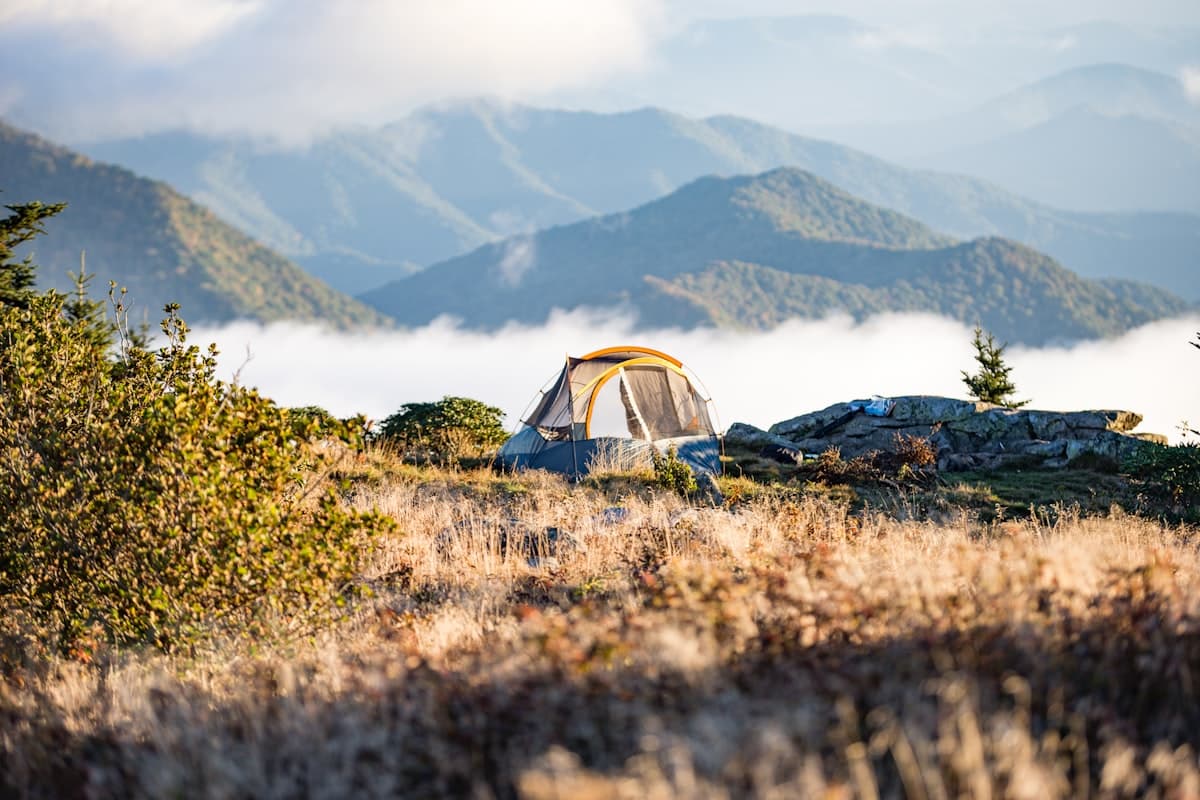
Staying warm once you're at camp is one problem — our how to stay warm while camping guide covers that side in depth. Getting there safely, and knowing when something's actually wrong rather than just uncomfortable, is a separate problem, and it's the one that trips up more first-time winter campers.
Budget daylight before you budget anything else
Winter days are dramatically shorter, and setting up camp, cooking, and breaking down all take the same amount of time regardless of how much light is left to do them in. Plan to arrive with several hours of daylight to spare rather than cutting it close — pitching an unfamiliar winter setup in the dark, cold, and possibly snow is a much harder version of a mistake that's merely annoying in summer.
Check road conditions specifically, not just the weather forecast
A clear forecast doesn't guarantee a clear road — check current road and access conditions for your specific route, not just the destination's weather, since conditions can differ significantly between a valley trailhead and a mountain pass along the way. Carry basic winter driving supplies (a shovel, traction aids, extra warm layers) in the vehicle regardless of how short the drive looks on a map.
Melting snow for water still needs treatment
Snow itself isn't sterile — melting it only solves the water-availability problem, not the safety problem. Use the decision matrix in our camping water-treatment guide: boiling, a filter and purification tablets do not cover the same organisms, and the right sequence depends on verified product claims. Melting takes longer than most first-timers expect, too — budget real stove time and fuel for it if snowmelt is your water plan, not an afterthought.
Have an actual turn-back point, decided in advance
Decide before you leave, not once you're tired or cold, what conditions would send you home early — a specific temperature, a specific time if you're not set up yet, or a specific weather change. Making that call in the moment, once you're already cold and stressed, is exactly when judgment is worst. A decision made calmly at home holds up better than one made at 4 p.m. with fading light and a half-pitched tent.
Recognizing hypothermia and frostbite early
Both are far easier to manage caught early than after they've progressed, and both can be subtle enough that the person affected doesn't notice it happening to themselves — which is why watching your group, not just yourself, matters.
- Hypothermia, per the CDC, shows as shivering, exhaustion, confusion, fumbling hands, memory loss, slurred speech, and drowsiness. The CDC calls it a serious medical condition requiring immediate medical attention — not a "warm them up and see" situation once confusion or slurred speech appears.
- Frostbite, per the CDC, most often affects the nose, ears, cheeks, chin, fingers, or toes, showing as white or grayish-yellow skin that feels unusually firm or waxy, with numbness. Critically, a person with frostbite often doesn't know they have it — someone else in the group usually notices it first, which is another reason to watch each other, not just yourself. Seek medical care for any suspected frostbite.
Neither of these is a "push through it" situation. If you're unsure whether what you're seeing is normal cold discomfort or something more serious, treat it as the more serious option and act accordingly.
What to actually pack for the planning side
Beyond the gear covered in our winter camping gear guide, bring a physical map (phone batteries drain faster in cold and service is often unreliable), a way to melt snow if that's your water plan, and let someone outside your group know your route and expected return — the same basic safety step that matters for any backcountry trip, more so when cold adds a time pressure that summer camping doesn't have.
FAQ
Is melted snow safe to drink without treating it?+
No — melting only solves availability, not safety. Choose a treatment sequence based on the expected hazards and verified product claims; boiling, typical filters and purification tablets do not cover the same organisms.
What's the first sign of hypothermia to watch for?+
Uncontrollable shivering is the early sign, but shivering that stops despite still being cold, along with confusion or slurred speech, is more serious and needs immediate action, not reassurance that "at least they're not shivering anymore."
How much daylight should you plan around for winter camping?+
Arrive with several hours of daylight remaining rather than cutting it close — setting up an unfamiliar winter camp in the dark is a much harder version of a mistake that's merely inconvenient in summer.
Sources reviewed
Fact-checked Aug 14, 2026
These references support factual or safety-sensitive claims in this article. Access dates show when our editors last verified the source.
- CDC — Recognizing Hypothermia
Official source · Accessed Aug 14, 2026