guides / how to
How to Stay Warm While Camping
How to stay warm while camping — build a dry layered sleep system, manage moisture, and recognize when ordinary cold has become a hypothermia emergency.
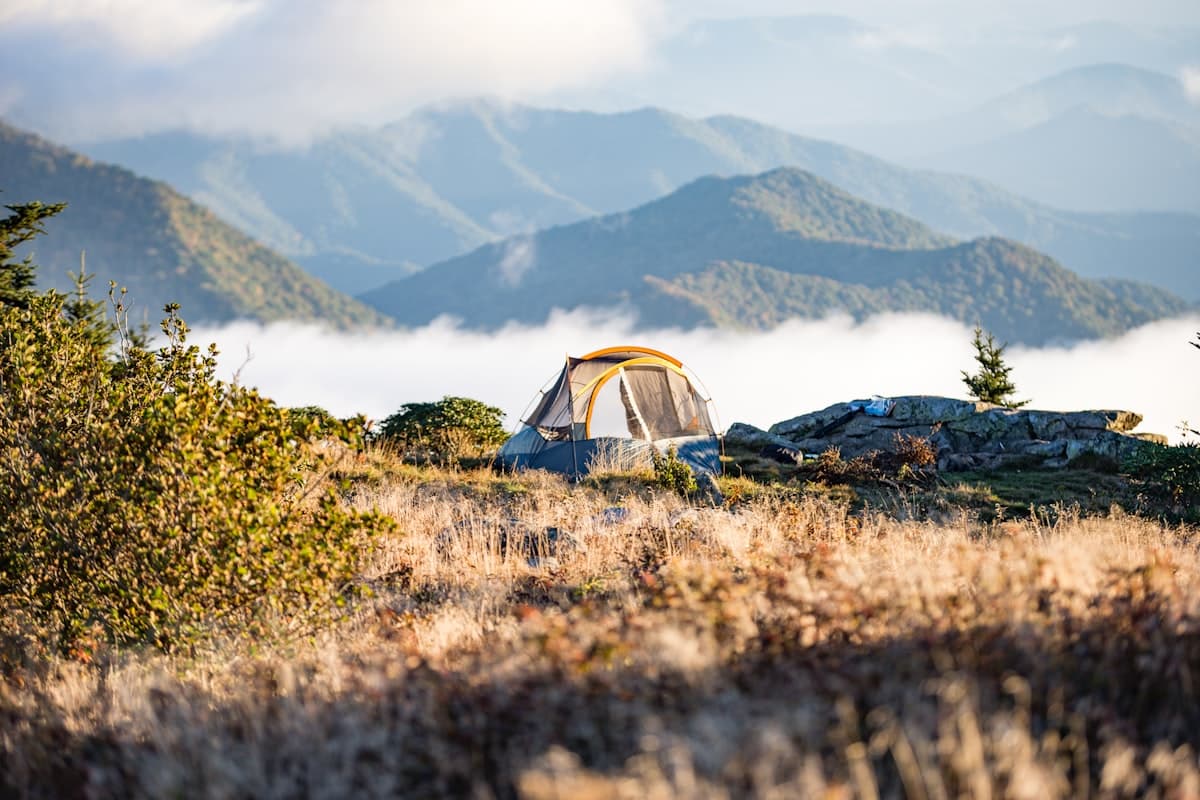
A cold night is usually a sleep-system problem before it becomes an emergency: damp clothing, wind exposure, too little insulation underneath, or a sleeping bag being asked to work outside its rating. Fix those problems early. If someone becomes confused, unusually clumsy, exhausted, or starts slurring their speech, stop treating it as a comfort issue — those are CDC warning signs of hypothermia.
Start with a dry, layered system
The National Park Service recommends layers that can be added when you cool down and removed before you overheat. Wool and synthetic layers continue to perform better when damp than cotton, while a wind- and water-resistant outer layer helps keep rain, wet snow, and wind away from the insulation underneath.
Change into dry sleep clothes before bed. Do not wait until you are already shivering to deal with a damp base layer. Keep one dry set protected in a sealed bag when wet weather is possible.
Insulate yourself from the ground
A sleeping bag is compressed underneath your body, so the sleeping pad carries much of the job of insulating you from the ground. Check that the pad and bag are appropriate for the forecast, your shelter, and the way you personally sleep. On colder trips, a closed-cell foam pad can add insulation and provide a backup if an inflatable pad fails.
Our winter camping gear guide explains sleeping-pad R-values and bag ratings. Treat manufacturer ratings as planning inputs, not promises that every sleeper will feel comfortable at the stated temperature.
Manage heat before getting into the bag
Eat a normal meal, drink enough water, use the bathroom, and put on dry layers before bed. A brief period of gentle movement can warm you, but avoid exercising hard enough to sweat — moisture is exactly what the system is trying to control.
A tightly sealed, heat-safe bottle filled with hot water can pre-warm a sleeping bag. Follow the bottle manufacturer's temperature limits, check the seal, wrap the bottle to prevent burns, and never use a container that can soften or leak.
Protect your head and hands without believing the myth
A hat, dry socks, and gloves or mittens help protect exposed areas; both the CDC and NPS include them in cold-weather clothing guidance. Your head does not lose a magical fixed percentage of body heat, but leaving any body part exposed makes little sense when the rest of your system is insulated.
Ventilate the shelter
Closing every vent can trap moisture from breathing and dampen the tent and sleep system. Use the shelter's ventilation as designed while protecting the sleeping area from wind-driven rain or snow. Never run a fuel-burning stove, heater, or lantern in a tent unless the shelter and appliance are explicitly designed and certified for that use.
Know when cold has become an emergency
The CDC notes that hypothermia can occur even above 40°F / 4.4°C when rain, sweat, or cold-water immersion leaves someone chilled. Warning signs in adults include:
- shivering;
- exhaustion or unusual drowsiness;
- confusion or memory problems;
- fumbling hands and loss of coordination;
- slurred speech.
Hypothermia is a medical emergency. Get emergency help, move the person into shelter, remove wet clothing, and warm the center of the body under dry layers. Do not give alcohol, and do not give a drink to an unconscious person. Follow dispatcher or local rescue instructions rather than relying on an article during an emergency.
For a complete packing pass, use our ultimate camping checklist. For genuinely cold conditions, also review the destination forecast, road status, campground rules, and local emergency guidance immediately before departure.
FAQ
Why am I cold even with a good sleeping bag?+
Common causes include insufficient insulation underneath, damp clothing, wind exposure, a bag being used beyond its rating, or personal cold sensitivity. Check the entire shelter, pad, bag and clothing system rather than replacing the bag alone.
Should you sleep in the clothes you wore during the day?+
Change into dry sleep layers when possible. Even clothing that feels only slightly damp can reduce comfort and make it harder for the sleep system to keep you warm.
What are warning signs of hypothermia?+
The CDC lists shivering, exhaustion, confusion, fumbling hands, memory loss, slurred speech and drowsiness among adult warning signs. Hypothermia is a medical emergency; seek help immediately.
Sources reviewed
Fact-checked Aug 30, 2026
These references support factual or safety-sensitive claims in this article. Access dates show when our editors last verified the source.
- CDC — Preventing Hypothermia
Official source · Accessed Aug 30, 2026
- National Park Service — Be Winter Ready for Your Adventure
Official source · Accessed Aug 30, 2026