guides / camping tips
Winter Camping Gear
Choose winter camping gear as a complete system: match shelter to wind and snow, read ISO sleeping-bag ratings correctly, size pad insulation, and plan a cold-safe stove.
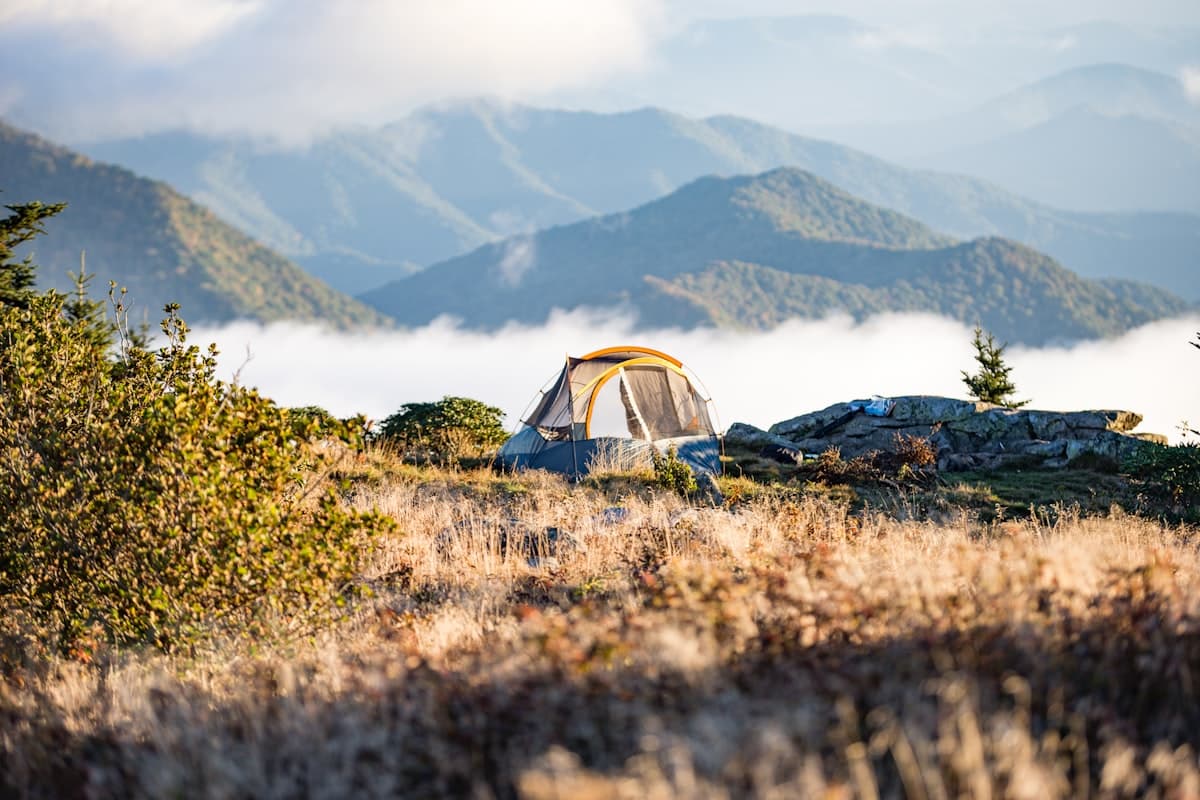
Below freezing, winter gear is a system rather than a shopping pile. Shelter must match the expected wind and snow load; the bag, pad, clothing, food and hydration plan must work together; and the stove must operate with the fuel and temperature you will actually face.
Match the system to the night
Use the forecast low as a starting input, then add wind, wet snow, exposed terrain, trip length and how difficult retreat would be.
| Conditions | Shelter question | Sleep-system starting point | Stove and water question |
|---|---|---|---|
| Near freezing, developed campground, little or no snow load | Is the tent manufacturer comfortable with the forecast wind and precipitation? | Tested bag plus an insulated pad appropriate to the ground temperature | Has the exact stove-and-fuel combination been cold-tested outdoors? |
| Snow camping or sustained cold | Can the shelter shed expected snow, and can you clear accumulation safely? | A bag rated below the expected low plus pad insulation selected for snow, trip length and the complete sleep system | Is there enough fuel and a backup ignition method to melt water? |
| Exposed or remote conditions | Is the shelter specifically rated by its maker for the expected wind and snow loading? | Add a tested margin and redundancy; do not infer a pad requirement from air temperature alone | Does the stove manufacturer approve the system for the expected conditions? Is there redundant water capacity? |
| Avalanche terrain | Do not solve this with a stronger tent | Training, forecast and terrain choices come first | Every traveler needs the rescue equipment they are trained to use |
ASTM F3340 makes R-values useful for comparing pads, but posture, uncovered edges, the rest of the sleep system and real ground conditions still affect performance.
Shelter: judge the construction, not only the season label
“Four-season” is a useful shopping category, not a universal engineering guarantee. Compare the manufacturer's intended use, pole structure, guy-out points, fabric, venting and any stated wind or snow limitations. A sturdy winter or mountaineering shelter usually prioritizes stability and snow shedding; a typical three-season tent usually prioritizes ventilation and lower weight.
A calm, snow-free night at a developed campground and an exposed alpine storm are both called winter camping, but they do not ask the same thing of a tent. Never assume a season label means you can ignore snow accumulation. Know how to use every guyline, carry the stakes or anchors for the surface, and clear accumulating snow without creating another hazard.
Sleep system: read the rating correctly
Sleeping bags tested to EN or ISO methods commonly show Comfort and Limit ratings. Comfort is the lower temperature at which a standardized cold sleeper is expected to remain comfortable. Limit is the lower temperature at which a standardized warm sleeper is expected to remain comfortable in a curled position. Limit is not a survival rating. An Extreme value, when displayed, is an emergency risk threshold and should never be used to plan a trip.
The standard helps compare products; it does not predict your personal night. Fit, metabolism, fatigue, food, moisture, wind, clothing and pad insulation all matter. Choose a bag rated below the expected low with a margin based on your experience, and remember that ISO 23537 does not provide a prediction model for children or babies.
Underneath the bag, R-value measures a pad's resistance to heat flow. Higher is more insulating. When both pads have comparable ASTM-tested values, stacking a closed-cell foam pad with an insulated inflatable pad can add their R-values while also providing a puncture backup.
Do not turn a single R-value into a universal temperature promise. ASTM F3340 provides a repeatable comparison between pads, not an air-temperature guarantee. Select pad insulation using the manufacturer's guidance, the ground or snow, the rest of the sleep system, trip length and personal cold tolerance.
Stoves: cold performance is model- and fuel-specific
Upright canister stoves rely on fuel vapor pressure, which falls as the canister cools. Performance depends on the fuel blend, canister level, stove design and temperature; there is no honest universal failure point at 32°F / 0°C. A pressure-regulated stove or a manufacturer-approved remote-canister mode may extend performance, but only within that model's instructions.
Liquid-fuel stoves are manually pressurized and are often chosen for sustained cold, but they require priming, careful handling and practice. They are not immune to every cold-weather or maintenance problem.
Test the exact stove, fuel and cookware outdoors in controlled conditions before relying on them. Never improvise a windscreen that traps heat around a canister, place a canister in warm water, apply an external heat source, or invert a canister unless the manufacturer explicitly authorizes that configuration. A warm meal is not worth turning the fuel bottle into the most exciting object at camp.
Layering: the system matters more than any single piece
A moisture-managing base layer, insulating mid-layer and wind/waterproof shell form the basic system. Cotton absorbs moisture and loses usefulness when wet, so the National Park Service recommends wool or synthetic layers for winter travel. Bring a dry sleep set in a sealed bag and change before damp clothing cools you at camp. Add or remove layers early enough to avoid soaking them with sweat.
Hydration: water freezes, plan around it
Use insulated bottle sleeves and keep bottles protected within the shelter rather than against an exterior wall. Store them tightly closed and upside down so early ice is less likely to seal the opening, but never put a bottle in the sleeping bag unless you have verified that the cap cannot leak—a wet bag can end the trip. Hydration tubes freeze readily; if you use one, insulate it and carry a bottle backup.
Melting snow requires more fuel and time than most first plans allow. Start with a little liquid water in the pot, follow local water-treatment guidance and keep a reserve that does not depend on one stove working.
What to add, not replace
Hand and foot warmers and surface-appropriate traction can be useful additions, but they do not replace insulation or route judgment. Vapor-barrier clothing is an advanced moisture-management technique with a narrow use case; learn and test it before a remote trip rather than adding an impermeable layer because a checklist said so.
The winter failure checklist
For every critical function, write down the primary system, the failure you can realistically repair, and the point at which you leave.
| Function | Primary | Backup or repair | Turnaround trigger |
|---|---|---|---|
| Shelter | Tent rated for expected conditions | Full stake/anchor kit, pole sleeve, tape, guylines | Damage, uncontrolled snow loading, or inability to anchor |
| Sleep | Bag + ASTM-rated pad system | Dry insulation layer, foam pad, pad repair kit | Wet insulation or a sleeper who cannot rewarm |
| Water | Tested stove + fuel plan | Reserve water, backup ignition, stove repair kit | No reliable way to produce safe water |
| Hands and feet | Dry layers and suitable boots | Spare mitts/socks in a sealed bag | Persistent numbness, confusion, or loss of coordination |
| Navigation | Map/compass plus practiced electronic tool | Spare batteries and route turnaround time | Route uncertainty, whiteout, or travel slower than the safety margin |
| Communication | Shared itinerary and check-in time | Whistle or appropriate emergency communicator | Missed turnaround time or worsening conditions |
This table is deliberately unglamorous. Winter systems usually fail through moisture, time or one tiny missing repair—not because a catalogue forgot to sell you another titanium cup.
Avalanche terrain is a separate decision
If the route enters or passes beneath avalanche terrain, a gear list is not enough. Check the local avalanche forecast and obtain appropriate training. Each traveler needs a transceiver, probe and shovel and must know how to use them. If you cannot identify and manage avalanche terrain, choose a route that avoids it. The National Park Service gives the same blunt advice: rescue equipment accompanies training; it does not replace it.
For everything that doesn't change between seasons, our ultimate camping checklist covers the full system-by-system list, and how to stay warm while camping covers technique alongside gear.
Equipment is only one part of a cold-weather plan. Our winter camping tips guide covers site selection, moisture management and the warning signs that should end a trip.
FAQ
Do you need a 4-season tent for winter camping?+
Not for every night called winter. Match the shelter manufacturer’s stated use and construction to the expected wind, snowfall, exposure and consequences of failure. A calm developed campground and an exposed snow-loading trip require different shelters.
What do Comfort and Limit mean on an ISO sleeping bag?+
Comfort is the lower temperature for a standardized cold sleeper; Limit is the lower temperature for a standardized warm sleeper in a curled position. Limit is not a survival rating, and neither value guarantees an individual sleeper’s warmth.
Why can a canister stove become weak in cold weather?+
Upright canister stoves depend on fuel vapor pressure, which drops as the canister cools. Actual performance depends on the blend, stove, canister level and temperature. Use only configurations approved by the stove manufacturer and test the exact system before relying on it.
What R-value sleeping pad do you need for winter camping?+
There is no universal air-temperature threshold. Compare ASTM-tested R-values, then select pad insulation using the manufacturer’s guidance, the ground or snow, the complete sleep system, trip length and your cold tolerance.
Sources reviewed
Fact-checked Sep 4, 2026
These references support factual or safety-sensitive claims in this article. Access dates show when our editors last verified the source.
- ISO — ISO 23537-1:2022 Sleeping Bags
Official source · Accessed Sep 4, 2026
- ASTM — F3340 Camping Mattress R-value
Official source · Accessed Sep 4, 2026
- CPSC — Carbon Monoxide Poisoning Hazard with Camping Equipment
Official source · Accessed Sep 4, 2026
- National Park Service — Yellowstone Winter Backcountry Camping
Official source · Accessed Sep 4, 2026
- REI — Winter Camping Basics
Expert guidance · Accessed Sep 4, 2026
- MSR — WhisperLite Universal Instructions
Expert guidance · Accessed Sep 4, 2026